Furniture Tip-Over Injuries and Product Recall Claims
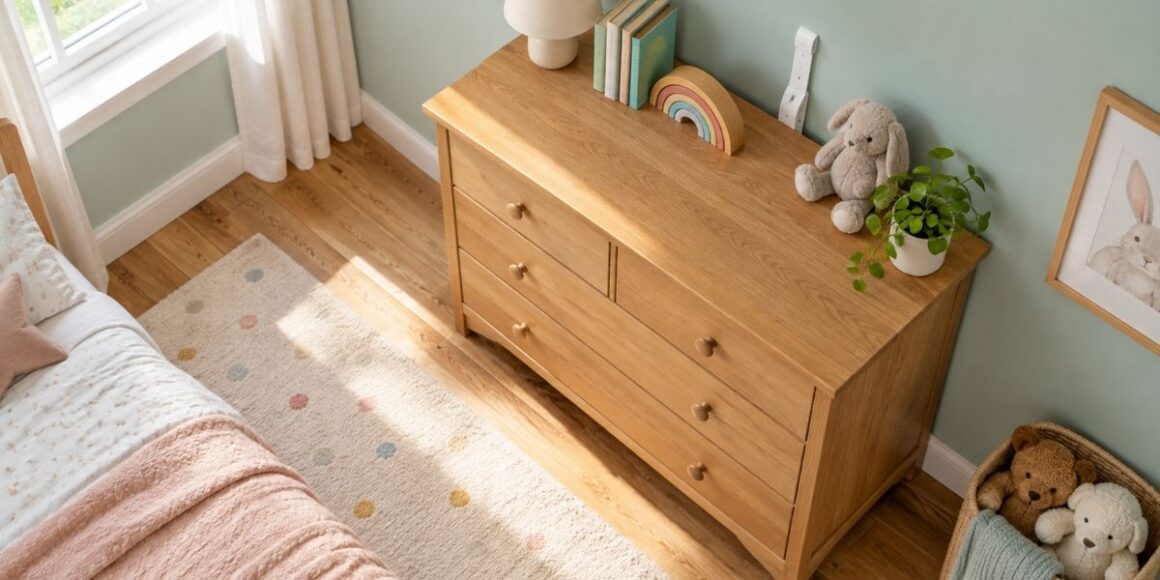
A dresser or bookshelf looks like one of the more stable objects in a house, which is part of why a tip-over injury catches families so off guard. The Consumer Product Safety Commission estimates tens of thousands of emergency room visits every year from furniture, TV, and appliance tip-overs, and nearly half of those injuries happen to children, who are more likely to climb on furniture or pull open drawers as steps. Families across the St. Louis area furnish nurseries, kids’ rooms, and family rooms with exactly the kind of dressers, bookshelves, and media stands most often involved in these incidents. When a piece of furniture that should have stayed upright comes crashing down, the question of who bears responsibility often comes down to whether the furniture itself was unreasonably unstable in the first place.
Why Furniture Tips Over in the First Place
Furniture tip-overs happen when a piece’s center of gravity shifts far enough that it topples instead of staying put. Dressers and chests are especially prone to this because an open drawer, or several opened at once, moves the weight forward and away from the base. A child climbing a drawer like a ladder, a television sitting unsecured on top of a low dresser, or furniture that was never designed to carry the weight placed on it can all turn a stable-looking piece into a serious hazard in seconds.
Not every tip-over is a product defect. Furniture that is reasonably stable when used and anchored as intended, but is misused in a way no manufacturer could reasonably anticipate, is a different case than furniture that fails to meet basic stability standards even under normal, foreseeable use.
The Federal Standard That Changed in 2023
For years, furniture stability was governed by a voluntary industry standard that manufacturers could choose to follow or not. That changed with the Stop Tip-overs of Unstable, Risky Dressers on Youth Act, which directed the Consumer Product Safety Commission to adopt a mandatory stability standard for clothing storage furniture. Under the resulting rule, any clothing storage furniture manufactured after September 1, 2023 has to meet specific stability and testing requirements, including tests that mimic real-world conditions like an open drawer, several drawers opened at once, or a child’s weight pulling on the front of the unit.
That change matters for a product liability case. Furniture manufactured and sold before the mandatory standard took effect is still typically evaluated against the voluntary industry standard that existed at the time, while furniture manufactured afterward can be measured against a clear, mandatory federal requirement. Knowing which standard applies, and whether the specific piece of furniture involved actually met it, is often one of the first questions in a tip-over investigation. The agency’s own estimates put the human cost of getting this wrong in stark terms: thousands of tip-over related injuries every year, and a meaningful number of deaths, almost all of them preventable with a furniture design that resists tipping under foreseeable use.
What a Product Liability Claim Looks Like in Practice
A furniture tip-over claim can involve more than just the piece of furniture itself. Depending on the facts, liability may fall on the manufacturer for a design or stability defect, on a retailer who sold furniture that failed to meet applicable safety standards, or on a distributor somewhere in between. A claim can also arise when furniture subject to an active recall was sold or kept in use after the recall was issued, since manufacturers and retailers have an obligation to get word of a recall to consumers and, where possible, to offer a remedy like a free anchoring kit or repair.
Evidence in these cases often includes the furniture itself, any anchoring hardware that came with it or should have, purchase records showing when and where it was bought, and the manufacturer’s own stability testing data if it can be obtained.
When a Tip-Over Becomes a Wrongful Death Case
The most serious furniture tip-over incidents involve a child being pinned or struck by a falling piece, and in the worst cases, this leads to a fatality. When that happens, a product liability claim against the manufacturer or retailer can proceed alongside a wrongful death claim on behalf of the family, since the two legal theories address different aspects of the same underlying harm.
Strong Law, P.C.’s Approach to Product Liability Cases
Strong Law, P.C.’s St. Louis product liability team investigates whether a product met the stability and safety standards that applied to it at the time it was manufactured, and traces responsibility across the manufacturer, distributor, and retailer where the facts support it. That investigation often means working with an engineer who can test an exemplar of the same furniture model under the applicable stability standard, rather than relying solely on the manufacturer’s own testing data. The firm’s practice areas include both product liability and wrongful death, which matters in the small number of tip-over cases where both theories apply, and the firm’s results reflect that same thoroughness across its product liability caseload. As one client, Slavik K., put it:
“After four long years, our case was finally settled thanks to the incredible help of our lawyer and his amazing team. From the beginning, they were always patient, professional, and understanding, especially when it came to the challenges we faced, including a language barrier. They made sure we understood every step of the process and never made us feel rushed or unheard. Their kindness and dedication truly made a difficult situation much easier to manage. We are so grateful for everything they did for us and would absolutely recommend them to anyone in need of legal help.”
Frequently Asked Questions
What counts as a defective product case?
Product liability claims can involve defective vehicle parts, unsafe equipment, or other products that caused injury due to a design flaw, manufacturing defect, or inadequate warning, including furniture that fails to meet applicable stability standards.
Who can be held responsible in a furniture tip-over case?
Depending on the circumstances, liability may fall on the manufacturer, distributor, or seller of the furniture, particularly where a recall was issued and the furniture was sold or kept in use afterward.
Does anchoring furniture to the wall affect a claim?
It can factor into the analysis, but it does not automatically excuse a manufacturer from selling furniture that does not meet applicable stability standards in the first place. Anchoring is a recommended safety practice, not a substitute for a product that should have been stable on its own.
What should I do after a furniture tip-over injury?
Seek medical attention first, preserve the furniture and any anchoring hardware rather than discarding it, photograph the scene if you are able, and check whether the item is subject to an active recall before speaking with the manufacturer.
If a furniture tip-over has injured someone in your family, contact Strong Law, P.C. for a free, no-obligation consultation at (314) 940-8300.
This post is for general informational purposes only and does not constitute legal advice. Reading this article does not create an attorney-client relationship with Strong Law, P.C. Every case depends on its own facts, and you should consult a licensed Missouri attorney about your specific situation.
Follow Strong Law, P.C. on Facebook and LinkedIn for more legal updates.
You pay nothing unless we win your case. Contact Strong Law, P.C. today for a free, no obligation case review.


Tell Us About Your Case
Contact us today at (417) 887-4300 or online to arrange your free case evaluation. Our Experienced Trial Attorneys will walk you through your legal options.