Gas Explosions: When a Supplier or Installer Is at Fault
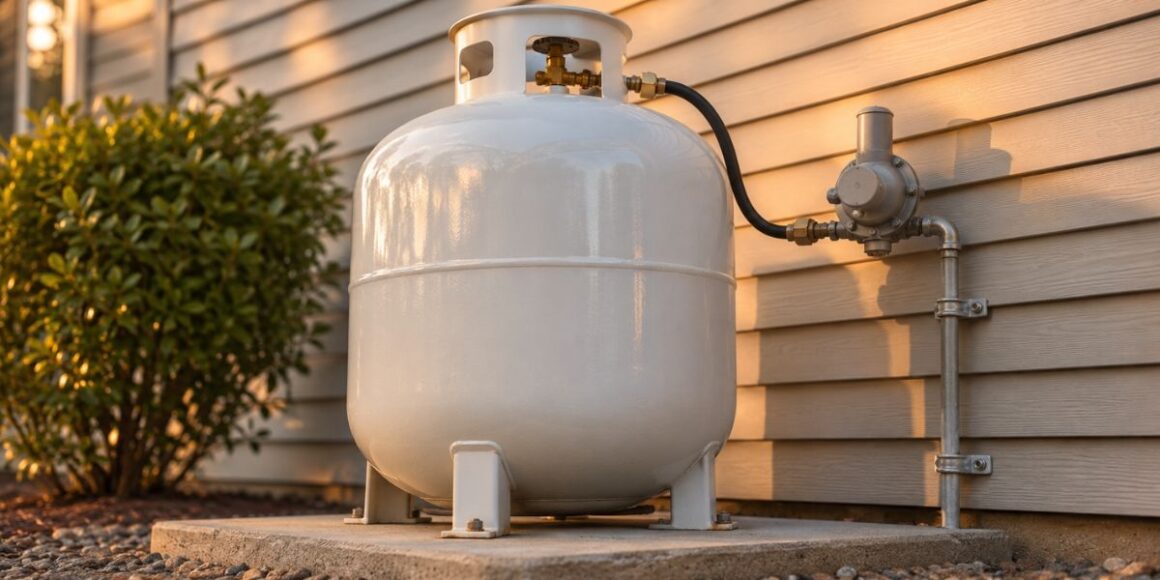
Gas explosions, whether the fuel is natural gas or propane, don’t always trace back to a defective appliance or an aging pipe. Often the more direct cause is a person: a delivery driver who overfilled a tank, an installer who connected a line incorrectly, or a utility crew that missed a leak during routine maintenance. Around Springfield, where propane serves many homes that natural gas lines don’t reach, both fuel types show up in serious gas explosion cases.
How Suppliers Cause Gas Explosions
A propane supplier has specific responsibilities that go beyond simply delivering fuel. Overfilling a tank, failing to perform a required leak check, delivering to a system with a known defect without flagging it, and failing to properly odorize propane so a leak can be detected by smell are all ways a supplier’s own conduct can be at fault. Because propane is naturally odorless, adding a detectable odorant is a critical safety step, and a failure here can mean a leak goes unnoticed until it’s too late.
How Installers and Utilities Contribute
Natural gas explosions often trace back to installation or maintenance errors rather than the gas company’s own infrastructure. A contractor who connects a new appliance without properly testing the line for leaks, a technician who skips a required pressure test after service work, or a utility crew that fails to properly mark or protect a line before nearby excavation can each set up the conditions for a serious incident, even when every piece of equipment involved was manufactured correctly.
Who Can Be Held Responsible
Investigations into gas explosions frequently have to look at several parties at once: the supplier, a manufacturer if a mechanical failure was involved, and any contractor or utility crew who installed or serviced the system incorrectly. Ownership of equipment matters too, since some propane tanks are owned by the supplier and merely leased to the homeowner, changing who bears primary responsibility for its condition.
Federal Oversight of Gas Distribution
The Pipeline and Hazardous Materials Safety Administration regulates pipeline safety for both natural gas and liquefied petroleum gas distribution systems, and tracks incident data showing that fire and explosion remain a recurring cause of reported incidents nationally. This regulatory oversight matters in a legal case because it establishes baseline safety practices, proper leak checks, correct fill and connection procedures, adequate odorization, that a reasonably careful supplier or installer is expected to follow as a matter of course.
Tank and Line Inspection Requirements
Propane tanks and gas lines aren’t meant to stay in service indefinitely without inspection. Industry standards require periodic recertification of propane cylinders, and a supplier who fills a tank that is visibly damaged or past its recertification date without flagging the issue may bear responsibility for resulting gas explosions. This is particularly relevant for older residential systems installed by a previous property owner, where neither the current homeowner nor a new supplier has a complete maintenance history.
What to Preserve After the Fact
The physical evidence behind gas explosions, the tank or meter, any regulators or fittings, delivery and service records, often tells the clearest story about what failed. Photographs taken immediately after the incident, before cleanup begins, can capture details otherwise impossible to reconstruct. This evidence can be lost during repair work that understandably needs to happen quickly so a family can safely stay in their home, which makes early documentation especially important.
Strong Law, P.C.’s Approach to Gas Explosion Cases
Strong Law, P.C. investigates gas explosions by tracing responsibility across every party in the chain, the supplier, installer, utility, or manufacturer, rather than assuming equipment alone is to blame. Because these cases frequently overlap with product liability claims against a manufacturer, the firm’s practice areas cover both from a Springfield base serving the surrounding Ozarks region. The firm’s client reviews reflect that same attention to detail. As one client, Zoe W., shared:
“The attorneys were great to work with, were quick to answer all our questions and get the best possible results in the shortest time possible.”
Frequently Asked Questions
What can cause a gas explosion case?
Gas explosions can arise from supplier errors during delivery, negligent installation, failed utility maintenance, or equipment defects.
What kinds of injuries result from gas explosions?
Gas explosions can cause severe burns, blast trauma, and property destruction, and may lead to wrongful death claims in the most serious cases.
Who can be held liable for a gas explosion?
Depending on the cause, liability may fall on the fuel supplier for an overfill or servicing error, an installer or utility crew for a connection or maintenance error, or a manufacturer for a defective component.
What should I do if I smell gas near an appliance or gas line?
Leave the area immediately, avoid anything that could create a spark, including light switches, and call the supplier or utility’s emergency line from a safe distance before contacting anyone else.
If a gas explosion has injured you or a loved one, contact Strong Law, P.C. for a free, no-obligation consultation at (417) 887-4300.
This post is for general informational purposes only and does not constitute legal advice. Reading this article does not create an attorney-client relationship with Strong Law, P.C. Every case depends on its own facts, and you should consult a licensed Missouri attorney about your specific situation.
Follow Strong Law, P.C. on Facebook and LinkedIn for more legal updates.
You pay nothing unless we win your case. Contact Strong Law, P.C. today for a free, no obligation case review.



Tell Us About Your Case
Contact us today at (417) 887-4300 or online to arrange your free case evaluation. Our Experienced Trial Attorneys will walk you through your legal options.