Springfield, MO Personal Injury
Our Range of Specialized attornies in Springfield MO are here to Protect Your Rights and Needs
Springfield, MO Medical Malpractice Attorneys
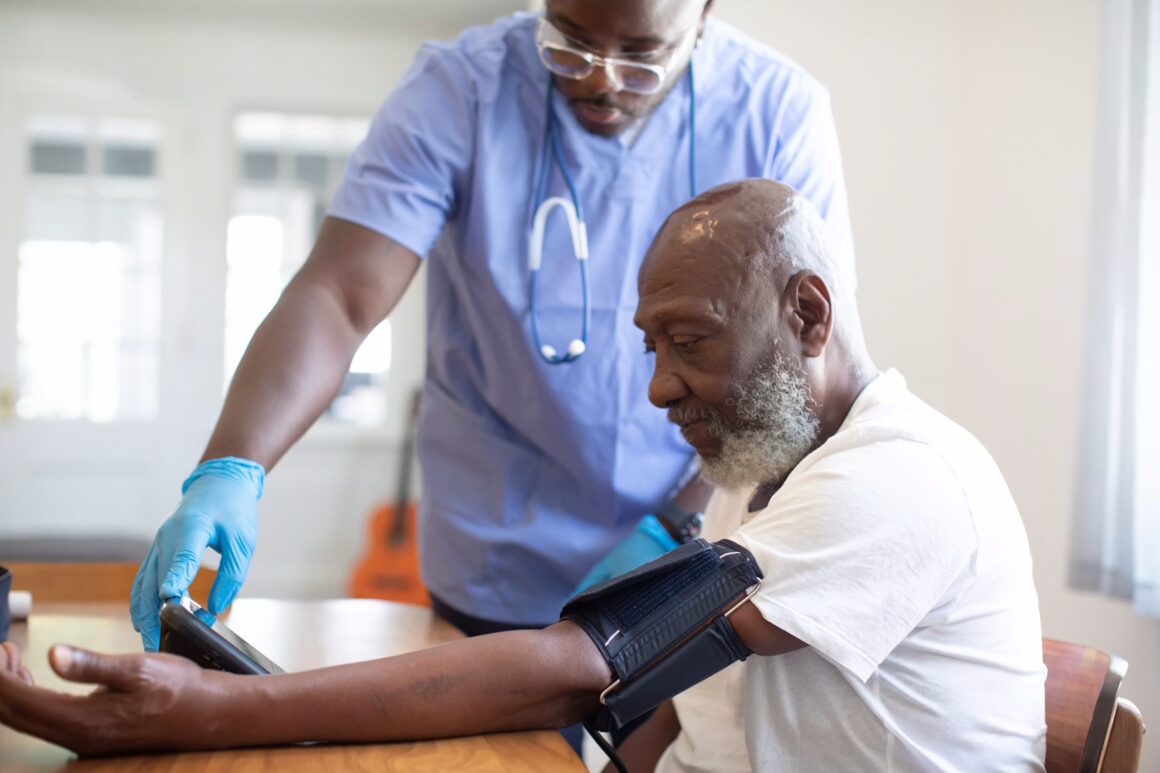
Medical Malpractice Lawyers Serving Springfield, Branson, Cape Girardeau, and Southwest Missouri
When a healthcare provider’s negligence causes serious harm, patients and their families deserve the truth and meaningful accountability. Medical malpractice is not about punishing good doctors for honest mistakes. It is about holding providers accountable when they depart from the standard of care that every patient has a right to receive, and when that departure causes preventable harm. In southwest Missouri, where major healthcare systems and rural providers alike serve a broad patient population, these failures occur with regularity. Strong Law, P.C. is here to pursue accountability when they do.
Strong Law has been representing medical malpractice victims across Missouri and northwest Arkansas since 1976. With more than $7 billion recovered and 7 nationally acclaimed trial lawyers, we have the depth, the medical expertise, and the trial record to pursue these cases effectively against healthcare systems and their insurers. Medical malpractice litigation demands more than a personal injury firm with general experience. It requires attorneys who understand medicine, who have relationships with the right medical experts, and who are genuinely prepared to try these cases. Call (417) 887-4300 for a free consultation. No fee unless we win.
FREE CASE REVIEW | (417) 887-4300 | injury@stronglaw.com | No Fee Unless We Win
Why Strong Law for Medical Malpractice in Southwest Missouri
Medical malpractice cases are among the most expensive to litigate and the most aggressively defended in personal injury law. Cox Health, Mercy Hospital Springfield, and the network of healthcare providers serving southwest Missouri are represented by experienced defense counsel and institutional insurance carriers who fight these claims hard. To win, plaintiffs need attorneys who bring equal depth and genuine trial capability.
Our Credentials
- Founded in 1976, with nearly 50 years of proven results for Missouri injury victims
- $7+ billion in verdicts and settlements recovered
- 7 nationally acclaimed trial lawyers
- 99% positive client review rate
- Named to the Inner Circle of Advocates
- Recognized by Martindale-Hubbell AV Preeminent, Super Lawyers (Top 10 in Missouri), Best Lawyers in America, Lawyer of the Year (Best Lawyers), and US News Best Law Firms
- Springfield office at 901 E St Louis St, 18th Floor, serving Springfield, Branson, Cape Girardeau, and the Ozarks
What Is Medical Malpractice?
Medical malpractice occurs when a healthcare provider, including a physician, surgeon, nurse, anesthesiologist, pharmacist, hospital, or other member of the care team, departs from the accepted standard of care in treating a patient, and that departure causes injury or death.
The standard of care is what a competent healthcare professional in the same specialty, with the same knowledge and resources, would have done in similar circumstances. It is not a standard of perfection. Not every bad medical outcome is malpractice. But when a provider does something a competent professional would not have done, or fails to do something a competent professional would have done, and that failure causes harm that otherwise would not have occurred, the law provides a remedy.
The distinction that matters: was the harm caused by an inherent risk of the treatment that was properly disclosed and consented to, or was it caused by a failure to meet the applicable standard of care? That distinction is at the heart of every medical malpractice case, and evaluating it honestly and rigorously is the foundation of Strong Law’s approach.
Missouri Medical Malpractice Law: What Every Patient Must Know
Missouri imposes specific procedural requirements and substantive rules on medical malpractice cases that directly affect whether a case can be filed and what it can recover. Patients who do not have experienced medical malpractice counsel frequently have their claims barred by deadlines or procedural failures that could have been avoided.
The Health Care Affidavit Requirement: Missouri Section 538.225
This is the most critical and most frequently misunderstood rule in Missouri medical malpractice law. Under Section 538.225, any plaintiff who files a medical malpractice lawsuit must, within 90 days after filing, file a written affidavit signed by a legally qualified health care provider who is in the same or similar specialty as the defendant, stating that the defendant failed to use such care as a reasonably careful health care provider would have exercised and that such failure directly caused or contributed to the plaintiff’s damages.
The failure to file a timely affidavit results in dismissal of the case. The court may allow an additional 90-day extension if the plaintiff certifies that the required expert affidavit cannot be obtained within the initial period, but this extension is not automatic and must be requested.
The practical implication is that no medical malpractice case in Missouri can be prosecuted effectively without a qualified medical expert retained and ready to provide this affidavit from the moment the lawsuit is filed. Strong Law maintains an extensive network of medical expert relationships across specialties, allowing us to satisfy this requirement with credible, qualified experts who are capable of not just signing the affidavit but testifying effectively at trial.
Statute of Limitations: Two Years with a Discovery Rule
Missouri medical malpractice claims must be filed within two years of when the patient knew or in the exercise of reasonable diligence should have known that an injury was caused by the medical care they received. The discovery rule means the clock does not necessarily start on the date of the negligent treatment if the harm was not reasonably apparent at that time. For minors, the two-year period does not begin until they reach age 18.
An absolute outside limit called the statute of repose bars all medical malpractice claims filed more than ten years after the act of negligence, regardless of when the injury was discovered. This provision is particularly relevant in cases involving implanted devices or delayed-onset conditions.
Contact Strong Law immediately if you believe you have been a victim of medical negligence. The combination of the two-year statute, the 90-day affidavit requirement, and the time needed to retain and prepare qualified expert witnesses leaves no room for unnecessary delay.
Missouri Damage Caps
Missouri caps non-economic damages in medical malpractice cases under Section 538.210. For non-catastrophic injuries, the cap is $400,000. For catastrophic injuries, defined to include permanent and significant physical impairment or disfigurement, loss of reproductive organs or capability, or paralysis, the cap is $700,000. There is no cap on economic damages, which include medical expenses, lost wages, and reduced earning capacity.
The distinction between catastrophic and non-catastrophic injury is frequently litigated in significant cases. Strong Law evaluates this question carefully in every case and argues aggressively for catastrophic classification where the facts support it, because the difference between a $400,000 and $700,000 non-economic cap matters significantly in serious cases.
Hospital Liability and the Corporate Negligence Doctrine
Hospitals in Missouri face liability both for the acts of their employed staff under respondeat superior and for their own independent negligence under the corporate negligence doctrine. Corporate negligence applies when a hospital fails to maintain adequate standards in credentialing physicians with privileges, fails to maintain adequate nursing staffing, fails to implement effective systems for communicating critical test results, or fails to enforce its own policies and procedures in a way that causes patient harm. Pursuing hospital-level liability in addition to individual provider liability is important in cases involving systemic failures that go beyond a single provider’s error.
Types of Medical Malpractice Cases We Handle in Southwest Missouri
Surgical Errors
Surgical malpractice at Cox Health, Mercy Hospital Springfield, and the surgical facilities throughout southwest Missouri includes wrong-site surgery, organ perforation, retained foreign objects, excessive bleeding from inadequate hemostasis, post-surgical infections from inadequate sterile technique, and failure to recognize and promptly manage surgical complications. These cases often involve institutional failures in addition to individual surgeon error, and Strong Law pursues both.
Misdiagnosis and Delayed Diagnosis
Failure to diagnose or delayed diagnosis of cancer, heart attack, stroke, pulmonary embolism, sepsis, appendicitis, and other time-sensitive conditions is a major source of malpractice claims throughout southwest Missouri. When a condition that a competent provider should have recognized and treated was missed or misidentified, and the delay allowed it to progress to cause additional harm, a malpractice claim may exist. Cancer misdiagnosis, including missed findings on imaging studies and failure to recommend timely biopsy after abnormal findings, is among the most common and most serious categories.
Emergency Room Errors
Emergency departments at Cox Health, Mercy Springfield, and community hospitals throughout southwest Missouri see high patient volumes and variable acuity. ER malpractice includes inappropriate triage and discharge of patients with serious unrecognized conditions, failure to order indicated diagnostic tests, failure to recognize time-sensitive presentations of heart attack, stroke, aortic dissection, and sepsis, and premature discharge that allows deteriorating conditions to progress without treatment. These cases often involve both individual provider errors and systemic hospital failures in ER protocol and staffing.
Medication Errors
Prescribing the wrong medication, prescribing an incorrect dose, failing to identify dangerous drug interactions, administering medication to a patient with a documented allergy, and pharmacy dispensing errors are all forms of medication malpractice. The volume of medications prescribed and administered in hospital and outpatient settings in southwest Missouri creates substantial opportunity for these errors, and their consequences can range from mild to fatal.
Anesthesia Errors
Anesthesia complications caused by negligence, including failure to adequately evaluate pre-anesthesia risk, inadequate intraoperative monitoring, anesthetic overdose, failure to manage the airway properly during intubation, and failure to recognize and respond to anesthesia complications, can cause brain damage from oxygen deprivation, cardiac arrest, and death. These cases require experts in anesthesiology and often produce the most substantial damage claims in the medical malpractice space.
Birth Injuries
Obstetric and neonatal malpractice in southwest Missouri includes failure to recognize and timely respond to fetal distress during labor, failure to perform a timely cesarean section when indicated, improper use of forceps or vacuum extraction causing infant injury, hypoxic-ischemic encephalopathy from oxygen deprivation that could have been prevented by timely intervention, and maternal injuries from negligent management of obstetric complications. Birth injury cases involving permanent neurological damage to an infant, including cerebral palsy caused by preventable hypoxia, are among the highest-value and most complex medical malpractice cases.
Failure to Monitor and Nursing Negligence
Nursing malpractice at hospitals throughout southwest Missouri includes failure to monitor patients at appropriate intervals, failure to recognize signs of deterioration and escalate to the attending physician, failure to implement fall prevention protocols for high-risk patients, medication administration errors, and inadequate pressure injury prevention. Hospitals are liable for nursing negligence under respondeat superior and for institutional failures that allowed the negligence to occur.
Failure to Diagnose in Rural and Critical Access Settings
Southwest Missouri’s geography means that many patients receive care in smaller community hospitals and critical access facilities before being transferred to tertiary care centers in Springfield. Malpractice at rural and critical access facilities in the Ozarks region, including failure to recognize the need for emergent transfer, failure to stabilize patients before transfer, and improper transfer of unstable patients, raises specific liability issues that Strong Law is experienced in addressing.
Informed Consent Failures
Physicians must obtain meaningful informed consent before performing procedures, which requires disclosing material risks, benefits, and alternatives in terms the patient can understand. When a provider fails to obtain adequate informed consent, performs a procedure that was not properly consented to, or misrepresents the nature of a planned procedure, a claim may exist even when the procedure itself was technically well-executed.
How Strong Law Builds a Medical Malpractice Case
Medical malpractice cases require a disciplined, systematic approach from the first day. Strong Law’s process includes:
- Thorough review of all medical records by our attorneys, followed by retention of qualified medical experts in the relevant specialty to assess the standard of care and identify deviations
- Timely preparation and filing of the Section 538.225 health care affidavit, satisfying this critical procedural requirement with qualified, credible experts
- Development of the causation theory in collaboration with medical experts, establishing a clear and defensible connection between the specific deviation from the standard of care and the specific harm the patient suffered
- Comprehensive damages analysis, including life care planning for catastrophic injury cases, vocational rehabilitation assessment for cases affecting earning capacity, and forensic economic analysis of future damages
- Full discovery of the defendant’s medical records, policies and procedures, incident reports, credentialing records, and any other relevant institutional documentation
- Deposition of all relevant treating providers, defense experts, and hospital corporate representatives
- Trial-ready preparation from day one, with the genuine willingness to try the case against any healthcare system or insurer that refuses to pay full value
Compensation Available in a Missouri Medical Malpractice Case
Economic Damages (No Cap)
- Additional medical expenses caused by the malpractice, past and future
- Long-term care costs for catastrophically injured patients
- Lost wages for time missed from work
- Loss of future earning capacity if the injuries affect long-term work ability
- Life care costs for personal assistance, home modification, and adaptive equipment
Non-Economic Damages (Subject to Missouri Caps)
- Pain and suffering
- Emotional distress and psychological harm
- Loss of enjoyment of life
- Loss of consortium
- Permanent disfigurement or disability
Wrongful Death
When medical malpractice is fatal, surviving family members may pursue a wrongful death claim under Missouri Section 537.080 for funeral expenses, lost financial support, loss of companionship, and grief. The wrongful death statute of limitations is three years from the date of death.
Call (417) 887-4300 or email injury@stronglaw.com for a free case evaluation.
Frequently Asked Questions: Medical Malpractice in Southwest Missouri
How do I know if my outcome was malpractice or just a bad result?
The distinction is whether a competent provider in the same specialty would have acted differently. Many medical procedures carry inherent risks that do not amount to malpractice when they materialize. But when harm results from a provider doing something they should not have done, or failing to do something they should have done, that is a departure from the standard of care regardless of how often good outcomes occur in similar cases. A qualified medical expert review of your records is the only reliable way to evaluate this question, and Strong Law conducts that review as part of our free initial case evaluation.
My care was provided at a rural hospital before I was transferred to Springfield. Does that affect my case?
Rural and critical access hospital transfers are a common scenario in southwest Missouri. Malpractice can occur at any stage of care, including at the referring hospital before transfer. Both the rural facility and the receiving facility in Springfield may bear responsibility depending on where the departure from the standard of care occurred. Strong Law evaluates the entire care continuum in every case.
The hospital told me the complication was a known risk of the procedure. Is that the end of my case?
Not necessarily. Known risks of a procedure can still give rise to malpractice claims in two ways. First, if the provider failed to obtain adequate informed consent for the risk that materialized, a claim may exist. Second, even if the risk was disclosed, the provider may still have been negligent in how they managed the complication once it occurred. The facts matter, and a proper medical record review is the only way to evaluate the specific circumstances.
How long will a medical malpractice case take?
Medical malpractice cases typically take longer than other personal injury matters because of the expert witness preparation required, the volume of medical records involved, and the complexity of the legal issues. Most serious medical malpractice cases take two to four years from filing to resolution. Strong Law moves cases forward as efficiently as possible while ensuring that no settlement demand is made before the case is fully and properly developed.
What does it cost to hire Strong Law for a medical malpractice case?
Nothing upfront. Medical malpractice cases are handled on a contingency fee basis. You pay no attorney’s fees unless and until we recover compensation for you. Your consultation is always free.
Serving Southwest Missouri and Northwest Arkansas
- Springfield, MO and Greene County, including Cox Health and Mercy Hospital Springfield
- Branson, MO and Taney County
- Cape Girardeau, MO and Southeast Missouri
- The Missouri Ozarks, including community hospitals and critical access facilities throughout the region
- Northwest Arkansas, including Rogers, Bentonville, Bella Vista, and Fayetteville
Not sure if we handle cases in your area? Call us. Consultations are always free.
Talk to a Springfield Medical Malpractice Attorney Today
Medical negligence is a breach of trust between patients and the providers they rely on. When it causes serious harm, those responsible should be held fully accountable. Strong Law, P.C. has been pursuing that accountability for Missouri patients for nearly 50 years. We have the medical knowledge, the expert relationships, the trial record, and the determination to pursue these cases at the level they deserve.
$7+ billion recovered. 7 nationally acclaimed trial lawyers. 99% positive reviews. No fee unless we win.
Call Strong Law, P.C. at (417) 887-4300 | injury@stronglaw.com | 901 E St Louis St, 18th Floor, Springfield, MO 65806
Strong Law, P.C. | stronglaw.com | Founded 1976 | $7+ Billion Recovered
Tell Us About Your Case
Contact us today at (417) 887-4300 or online to arrange your free case evaluation. Our Experienced Trial Attorneys will walk you through your legal options.