Springfield, MO Personal Injury
Our Range of Specialized attornies in Springfield MO are here to Protect Your Rights and Needs
Springfield, MO Spinal Cord Injury Lawyers
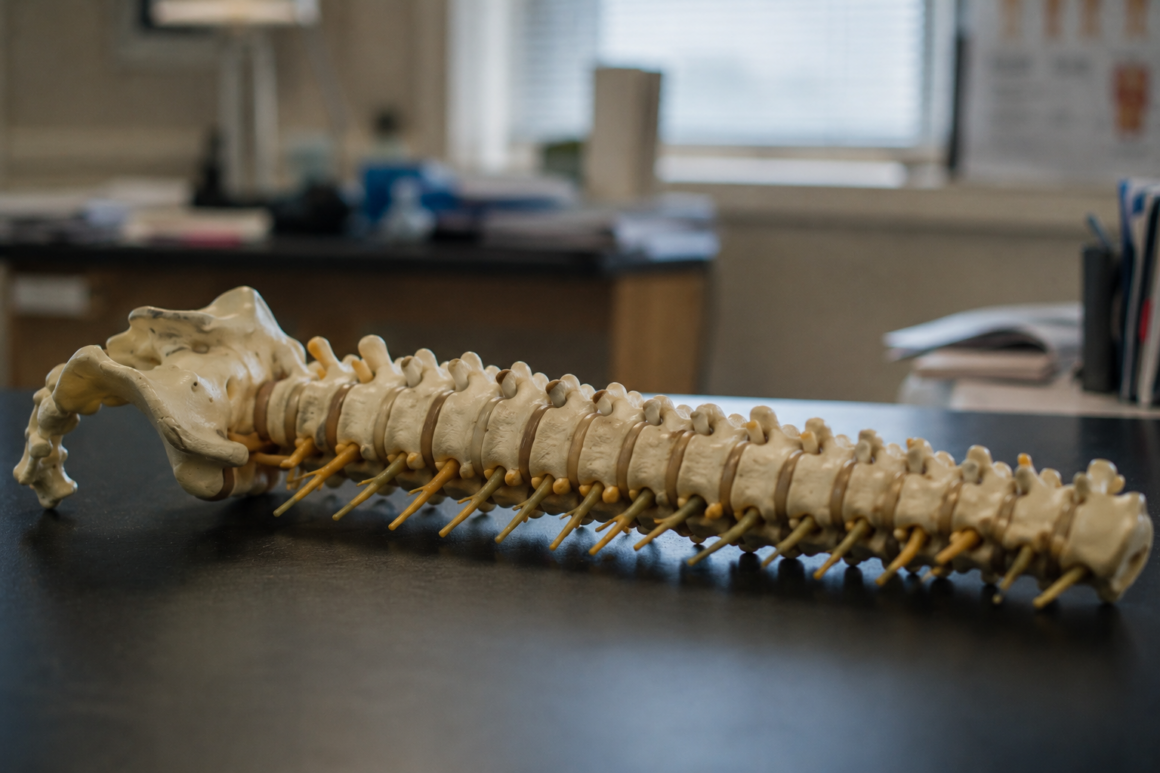
Representing Spinal Cord Injury Victims and Their Families in Springfield, Branson, Cape Girardeau, and Southwest Missouri
Few injuries carry heavier lifelong consequences than a traumatic spinal cord injury. Paralysis, permanent loss of sensation, chronic pain, bladder and bowel dysfunction, and complete dependence on others for basic daily activities are realities that SCI survivors and their families navigate for decades. The financial costs alone can reach millions of dollars over a lifetime. When someone else’s negligence caused that injury, they should be held fully accountable for every one of those costs. That is what Strong Law, P.C. does.
Our Springfield spinal cord injury attorneys have been fighting for catastrophically injured Missourians across southwest Missouri and northwest Arkansas since 1976. With more than $7 billion recovered and 7 nationally acclaimed trial lawyers, we have the resources, the expert team, and the determination to pursue the full lifetime value of every serious SCI case we handle. Call (417) 887-4300 for a free consultation. No fee unless we win.
FREE CASE REVIEW | (417) 887-4300 | injury@stronglaw.com | No Fee Unless We Win
Why Strong Law, P.C. for a Spinal Cord Injury Case in Southwest Missouri
Spinal cord injury cases are the most complex and highest-value cases in personal injury law. Building a case that accurately captures the full lifetime cost of a serious SCI requires neurologists, physiatrists, life care planners, vocational rehabilitation experts, and forensic economists working together. Winning against well-funded defendants requires a law firm with the resources, the credibility, and the trial record to make those defendants take the full value seriously.
Strong Law brings all of that to SCI cases across southwest Missouri and the broader region.
Our Credentials
- Founded in 1976, with nearly 50 years of proven results for Missouri injury victims
- $7+ billion in verdicts and settlements recovered
- 7 nationally acclaimed trial lawyers
- 99% positive client review rate
- Named to the Inner Circle of Advocates
- Recognized by Martindale-Hubbell AV Preeminent, Super Lawyers (Top 10 in Missouri), Best Lawyers in America, Lawyer of the Year (Best Lawyers), and US News Best Law Firms
- Springfield office at 901 E St Louis St, 18th Floor, serving Springfield, Branson, Cape Girardeau, and the Ozarks region
What Is a Spinal Cord Injury?
The spinal cord carries the nerve signals that allow the brain to control movement and receive sensory information from the body. It runs through the vertebral canal, protected by the bony vertebrae, but that protection is far from complete. Traumatic forces can fracture or dislocate vertebrae, causing bone fragments, disc material, or displaced vertebral structures to compress or sever the cord.
The location of the injury on the spinal cord determines which body functions are affected. The higher the injury level, the greater the extent of impairment. Injury in the cervical (neck) region affects all four limbs, the trunk, and potentially respiratory function. Injury in the thoracic (chest) region affects the trunk and legs. Injury in the lumbar and sacral regions affects the legs and pelvic organ function.
Unlike most tissues in the body, the spinal cord has virtually no regenerative capacity. Damage to spinal cord tissue is, in the great majority of cases, permanent. This permanence is what makes the litigation so critical: the recovery in a successful SCI case must account not for a period of treatment and recovery, but for a lifetime.
Classifications of Spinal Cord Injury
Complete vs. Incomplete Injuries
The first and most important classification in SCI is whether the injury is complete or incomplete. A complete SCI means no motor or sensory function is preserved below the neurological level of injury. An incomplete SCI means some function remains below the injury level. The ASIA Impairment Scale (Grades A through E) is the standard clinical classification. Complete injuries tend to produce more predictable and stable deficits; incomplete injuries vary widely in their presentation and prognosis.
Tetraplegia (Quadriplegia): Cervical Injuries C1-C8
Cervical injuries above C5 typically eliminate independent limb function and may require ventilator support for breathing. Injuries at C5 and below preserve some arm and shoulder function but usually eliminate hand and grip function. Complete cervical injuries represent the highest lifetime care costs of any SCI category, with lifetime costs frequently exceeding $5 million for a young adult. The physical, financial, and emotional weight these injuries place on families in southwest Missouri is enormous, and the legal case must be built to reflect every dimension of that weight.
Paraplegia: Thoracic, Lumbar, and Sacral Injuries
Thoracic injuries (T1-T12) produce paraplegia affecting the legs and trunk, with arm function generally preserved. Lumbar injuries (L1-L5) produce weaker paraplegia with variable leg function, and sacral injuries primarily affect pelvic organ function with variable lower limb effects. Paraplegic individuals typically have greater physical independence than tetraplegic individuals but still require significant medical and adaptive support throughout their lives.
Central Cord Syndrome
Central cord syndrome is the most common incomplete SCI syndrome, occurring most often in older individuals following hyperextension injuries in motor vehicle crashes and falls. It produces greater arm weakness than leg weakness and is frequently associated with bladder dysfunction and variable sensory changes. It is a particularly important injury type in the context of rear-end crashes on I-44, US-60, and US-65, and fall cases throughout the Springfield area.
Cauda Equina Syndrome
The cauda equina is the bundle of lumbar and sacral nerve roots below the termination of the spinal cord. Injuries to this region produce lower motor neuron deficits affecting the legs, bladder, bowel, and sexual function. Cauda equina syndrome can result from trauma but is also caused by large lumbar disc herniations, and delayed surgical decompression in recognized cases may constitute medical malpractice.
Conus Medullaris Syndrome
Injuries at the L1 vertebral level, where the spinal cord ends, produce conus medullaris syndrome, characterized by a mixed presentation of upper and lower motor neuron findings and significant bladder, bowel, and sexual dysfunction. The functional recovery pattern differs from both classic paraplegia and cauda equina syndrome and requires specialized rehabilitation management.
Common Causes of Spinal Cord Injuries in Southwest Missouri
The causes of spinal cord injuries in southwest Missouri reflect the region’s transportation corridors, recreation culture, and occupational landscape:
- Motor vehicle accidents on I-44, US-60, US-65, and the rural two-lane road network connecting communities throughout the Ozarks. High-speed crashes, truck collisions, and rollover accidents on these routes are a significant source of traumatic SCIs in the region. The tourist-heavy Branson corridor on US-65 generates accident volume from unfamiliar drivers, and I-44 carries heavy commercial truck traffic that creates disproportionate injury risk.
- Motorcycle accidents, where the lack of structural protection around the rider creates severe spinal injury risk even in moderate-speed crashes. Missouri’s helmet law applies only to riders under 26, and riders over that age who choose not to wear helmets face compounded cervical injury risk.
- Construction and workplace accidents in Springfield’s active development market, where falls from heights and caught-between events produce both cervical and thoracic SCIs.
- Falls on residential and commercial premises throughout Greene County, Christian County, Taney County, and surrounding communities, including falls down stairs, falls from balconies, and slip and fall incidents on unsafe surfaces.
- Diving accidents in the pools, rivers, and lakes of the Ozarks, including accidents at residential pools, resort facilities, and natural water features around Branson, Table Rock Lake, and Bull Shoals Lake. These accidents produce cervical SCIs at a disproportionate rate and often involve liability on the part of the property owner or facility operator.
- Agricultural and farm equipment accidents across southwest Missouri’s working farming communities, where tractor rollovers, equipment crush incidents, and falls from farm structures cause serious spinal injuries.
- Medical malpractice, including delayed diagnosis of cord compression, improper transport of trauma victims, and surgical errors during spine procedures.
- Defective products, including vehicle safety systems that fail to prevent spinal injury in foreseeable crash scenarios.
The Lifetime Costs of a Spinal Cord Injury
Accurately projecting and documenting lifetime SCI costs is the most important legal work in these cases. Strong Law works with a team of specialists to build a defensible, comprehensive damages picture. The components include:
Acute and Surgical Care
Initial hospitalization for a serious SCI involves spinal stabilization surgery, often including instrumentation and fusion, ICU monitoring, and management of acute complications. Costs at this stage regularly reach hundreds of thousands of dollars.
Inpatient Rehabilitation
Following acute care, SCI survivors typically progress to inpatient rehabilitation to maximize functional independence and learn to manage their condition. For many survivors in southwest Missouri, this means travel to specialized facilities, which adds to the disruption and cost.
Lifetime Medical Care
SCI survivors face elevated lifetime medical needs, including regular urological monitoring, prevention and treatment of pressure injuries, management of spasticity and neuropathic pain, respiratory care for high cervical injuries, and treatment of secondary complications. Periodic hospitalizations are expected over the course of a lifetime.
Personal Care Assistance
The need for personal care assistance is one of the largest cost components for tetraplegic individuals and many paraplegic individuals. Whether provided by hired attendants or by family members who reduce their own employment to provide care, this cost must be calculated, documented, and projected forward using a qualified life care planner.
Adaptive Equipment and Home Modification
Power wheelchairs, accessible vehicles with hand controls, home modifications including ramps, roll-in showers, and widened doorways, and other adaptive technology represent significant recurring and one-time costs. In rural Ozark communities, where many homes are older and difficult to modify, these costs may be particularly high.
Lost Earning Capacity
For working-age SCI survivors, the loss of earning capacity is often the largest single economic component of the case. A 30-year-old with a cervical SCI who cannot return to their prior occupation faces decades of reduced or eliminated earnings. Quantifying this loss requires a vocational rehabilitation expert and a forensic economist working together.
Non-Economic Harm
Pain and suffering, loss of enjoyment of life, permanent disability, and loss of consortium are real and significant components of an SCI case that are fully compensable in Missouri. They must be presented with the same care and supporting testimony as the economic components.
Who May Be Held Liable for a Spinal Cord Injury in Southwest Missouri?
Depending on the circumstances of the injury, responsible parties may include:
- A negligent driver, in motor vehicle accident cases on southwest Missouri roads and highways
- A trucking company, for their driver’s negligence or their own failures in hiring, training, or vehicle maintenance
- A property owner, in fall or premises liability cases where unsafe conditions caused the injury
- A construction contractor, in workplace accident cases involving falls from heights or equipment failures
- A product manufacturer, in cases where a defective vehicle safety system or piece of equipment contributed to the spinal injury
- A recreational facility or resort operator, in diving or water recreation accidents at facilities around Branson and the Ozark lakes
- A healthcare provider, in medical malpractice cases involving surgical errors or delayed treatment of spinal cord compression
- A government entity, where dangerous road conditions, defective guardrails, or inadequate road design contributed to the accident
Building the SCI Case: Strong Law’s Approach
An SCI case is only as strong as the expert infrastructure behind it. Strong Law’s approach includes:
- Retaining physiatrists, neurologists, and SCI specialists to document the level and completeness of the injury, the prognosis, and the long-term medical management plan
- Working with qualified life care planners to develop comprehensive, detailed projections of lifetime medical and personal care needs
- Retaining vocational rehabilitation experts to document the impact of the SCI on the victim’s ability to work and earn a living
- Using forensic economists to calculate the present value of future medical costs and lost earning capacity
- Preserving all evidence from the accident scene, including vehicle data, site conditions, and relevant physical evidence, from the earliest possible point
- Preparing specifically against defense expert arguments that minimize injury severity, inflate future recovery expectations, or dispute the necessity of claimed future care
Strong Law does not make settlement demands until this infrastructure is fully built. A demand made before the case is fully developed leaves money on the table. We take the time necessary to get it right.
Compensation Available in a Missouri Spinal Cord Injury Case
Economic Damages
- All past medical expenses from acute care through rehabilitation
- Future medical expenses over the victim’s lifetime
- Life care costs including personal assistance, home modifications, and adaptive equipment
- Lost wages during recovery
- Loss of future earning capacity
Non-Economic Damages
- Pain and suffering
- Loss of enjoyment of life and permanent disability
- Loss of consortium
- Emotional distress and psychological harm
Punitive Damages
When the injury resulted from especially reckless conduct, such as a drunk driver, a commercial carrier that violated federal safety regulations, or a manufacturer that concealed a known defect, punitive damages may be available in addition to full compensatory recovery.
Wrongful Death
When a spinal cord injury is fatal, surviving family members may pursue wrongful death claims for funeral expenses, lost financial support, loss of companionship, and the grief caused by the loss.
Call (417) 887-4300 or email injury@stronglaw.com for a free case evaluation.
Frequently Asked Questions: SCI Cases in Southwest Missouri
How long will it take to resolve a spinal cord injury case?
SCI cases typically take longer than standard personal injury cases because the full extent of the injury, the prognosis, and the lifetime cost picture must be established before a fair settlement demand can be made. Settling too early risks dramatically undervaluing the case. Most SCI cases take two to four years from injury to resolution, though cases involving disputed liability or trial can take longer. Strong Law keeps clients fully informed throughout the process and never rushes a case to settlement before it is fully prepared.
The insurance company says they have offered a fair settlement. How do I know?
The only way to evaluate whether a settlement offer is fair is to measure it against the full lifetime cost projection developed by qualified life care planners, vocational rehabilitation experts, and forensic economists. Most early settlement offers in SCI cases are designed to close the claim before those projections are developed. Contact Strong Law before making any decision on a settlement offer.
I was injured on the job. Can I still file a personal injury lawsuit?
Workers’ compensation covers workplace SCI medical expenses and disability benefits but does not compensate for pain and suffering or the full value of lost earning capacity. It also does not bar claims against third parties who are not the direct employer. On construction sites, in particular, general contractors, equipment manufacturers, and other subcontractors may bear liability separate from the employer’s workers’ compensation responsibility. Strong Law evaluates all available claims in every workplace SCI case.
What does hiring Strong Law cost?
Nothing upfront. All spinal cord injury cases are handled on a contingency fee basis. You pay no attorney’s fees unless and until we recover compensation for you. The first consultation is always free.
Serving Southwest Missouri and Northwest Arkansas
- Springfield, MO and Greene County
- Branson, MO and Taney County
- Cape Girardeau, MO and surrounding communities
- The Missouri Ozarks, including Christian County, Stone County, Ozark, and Nixa
- Joplin and Jasper County
- Northwest Arkansas, including Rogers, Bentonville, Bella Vista, and Fayetteville
Not sure if we serve your area? Call us. The consultation is always free.
Talk to a Springfield Spinal Cord Injury Attorney Today
A spinal cord injury is among the most serious and most costly outcomes of any personal injury event. The recovery in a successful SCI case must be measured in lifetime terms, not in weeks or months of medical bills. Strong Law, P.C. has been building and winning these cases for Missouri families for nearly 50 years. Our Springfield attorneys understand the regional causes, know the expert resources, and have the trial record to take these cases to their full value.
$7+ billion recovered. 7 nationally acclaimed trial lawyers. 99% positive reviews. No fee unless we win.
Call Strong Law, P.C. at (417) 887-4300 | injury@stronglaw.com | 901 E St Louis St, 18th Floor, Springfield, MO 65806
Strong Law, P.C. | stronglaw.com | Founded 1976 | $7+ Billion Recovered
Tell Us About Your Case
Contact us today at (417) 887-4300 or online to arrange your free case evaluation. Our Experienced Trial Attorneys will walk you through your legal options.