St. Louis, MO Personal Injury
Our Range of Specialized attornies in St. Louis MO are here to Protect Your Rights and Needs
St. Louis Brain Injury Lawyers
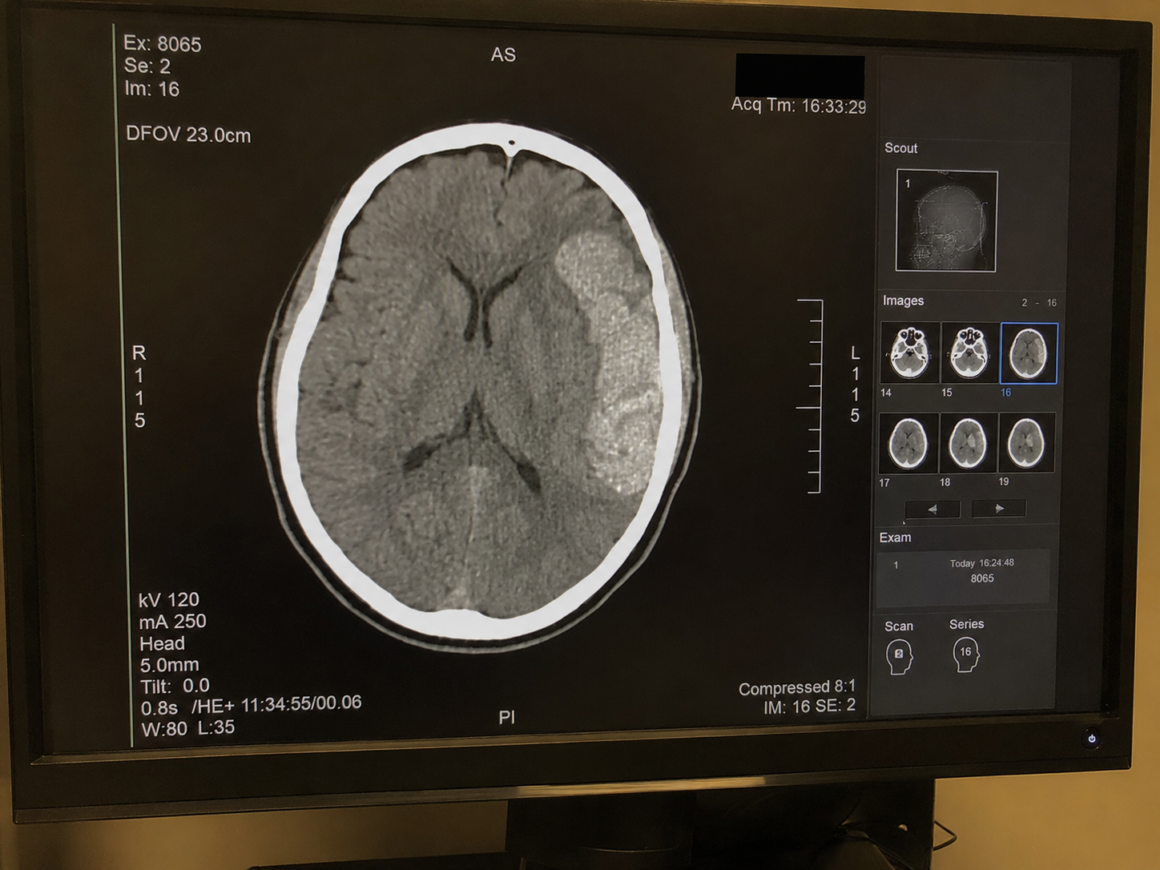
Traumatic Brain Injury Attorneys Serving St. Louis, Columbia, St. Charles, and All of Missouri
A traumatic brain injury changes everything. Victims and their families often describe the experience in the same way: the person they knew before the accident is not quite the same person who came home from the hospital. The changes may be obvious or they may be subtle. They may improve over months of rehabilitation, or they may be permanent. What is consistent is that a serious brain injury imposes costs, financial, physical, and human, that no one should have to bear alone when someone else caused the harm.
Strong Law, P.C. has been representing brain injury victims and their families in St. Louis and throughout Missouri since 1976. With more than $7 billion recovered for clients and 7 nationally acclaimed trial lawyers, we have the resources and the experience to fight for the full long-term value of a traumatic brain injury case, which requires understanding both the medicine and the law at a level most firms simply do not reach. Call (314) 940-8300 for a free consultation. No fee unless we win.
FREE CASE REVIEW | (314) 940-8300 | injury@stronglaw.com | No Fee Unless We Win
Why Strong Law, P.C. for a Brain Injury Case in St. Louis
Brain injury litigation is among the most medically and legally demanding areas of personal injury law. The injuries are complex, the long-term effects are often disputed by defense experts, and the gap between what insurance companies initially offer and what a serious TBI actually costs over a lifetime can be enormous. Winning a TBI case requires medical expertise, economic analysis, and the credibility that comes from a firm with the record and resources to go to trial.
Our Credentials
- Founded in 1976, with over 45 years of proven results for Missouri injury victims
- $7+ billion in verdicts and settlements recovered
- 7 nationally acclaimed trial lawyers
- 99% positive client review rate
- Named to the Inner Circle of Advocates
- Recognized by Martindale-Hubbell AV Preeminent, Super Lawyers (Top 10 in Missouri), Best Lawyers in America, Lawyer of the Year (Best Lawyers), and US News Best Law Firms
- St. Louis office at 5100 Daggett Ave STE B, serving St. Louis, Columbia, and St. Charles
What Is a Traumatic Brain Injury?
A traumatic brain injury (TBI) is an injury to the brain caused by an external force, whether a sudden blow to the head, a penetrating object, or the rapid acceleration and deceleration of the skull that causes the brain to strike its interior surface. TBIs range from mild, such as a concussion, to catastrophic, such as a severe diffuse axonal injury that leaves a victim in a permanent vegetative state.
The brain is the most complex organ in the human body. It controls every function, from breathing and heart rate to personality, memory, language, and judgment. Injury to any part of it can produce symptoms that affect any or all of these functions, and the effects may be immediate or may emerge gradually over days, weeks, or even months following the initial injury.
Because TBIs do not always show up clearly on imaging studies, and because many of their most significant effects involve cognition, behavior, and personality rather than obvious physical symptoms, they are frequently underestimated, both medically and legally. Insurance companies exploit this complexity aggressively, arguing that symptoms are exaggerated, unrelated to the accident, or have already resolved. Countering those arguments requires expert neurological, neuropsychological, and economic testimony, which is exactly what Strong Law assembles for every serious TBI case.
Types of Traumatic Brain Injuries
Concussion (Mild TBI)
A concussion is classified as a mild TBI, but the word mild is misleading. Concussions involve a disruption of normal brain function following a blow or jolt to the head and can produce symptoms that last for weeks, months, or, in cases of post-concussion syndrome, years. Repeated concussions, such as those suffered in multiple car accidents or contact sports, can cause cumulative damage that substantially exceeds the effects of any single event. Insurance companies routinely attempt to minimize concussion cases; an experienced brain injury attorney ensures the full impact is documented and presented.
Contusion
A brain contusion is a bruise on the brain tissue itself, caused by the brain striking the inside of the skull. Contusions can cause bleeding within the brain, elevated intracranial pressure, and localized damage to specific brain regions. Depending on the location and severity, contusions can affect motor function, language, memory, and personality.
Diffuse Axonal Injury (DAI)
Diffuse axonal injury occurs when the rapid shearing forces of acceleration and deceleration tear the axons (the long projections through which neurons communicate) throughout the brain. DAI is one of the most common and most devastating types of TBI, frequently occurring in high-speed car accidents, truck collisions, and falls. Because DAI affects connections throughout the brain rather than causing a single focal lesion, it often does not appear dramatically on standard MRI and CT imaging, yet it produces severe cognitive, behavioral, and functional impairments.
Epidural and Subdural Hematoma
Hematomas are collections of blood, either between the skull and the dura mater (epidural) or beneath the dura mater and above the brain surface (subdural). Both types cause increasing pressure on the brain that can be life-threatening if not surgically addressed. Subdural hematomas are particularly common in high-impact accidents and in elderly victims whose bridging veins are more vulnerable to tearing.
Intracerebral Hemorrhage
Bleeding within the brain tissue itself can occur from direct impact, from shearing forces, or from the rupture of blood vessels weakened by the initial trauma. Intracerebral hemorrhage can cause immediate severe neurological deficits and carries significant risk of death or permanent disability.
Anoxic and Hypoxic Brain Injury
Anoxic brain injury occurs when the brain is completely deprived of oxygen, while hypoxic brain injury results from reduced but not completely absent oxygen supply. Both can cause widespread and devastating brain damage within minutes. Causes include cardiac arrest following a traumatic event, near-drowning, severe blood loss, and airway obstruction. These injuries are distinct from traumatic impact injuries but are legally actionable when caused by someone else’s negligence.
Penetrating Brain Injury
Penetrating injuries involve an object breaking through the skull and entering brain tissue. These injuries cause focal damage along the path of penetration and carry high risks of infection and secondary complications in addition to the direct neurological harm.
Common Causes of Traumatic Brain Injury in St. Louis
TBIs in personal injury cases most commonly result from:
- Motor vehicle accidents, including car crashes, truck collisions, and motorcycle accidents, which account for a large share of serious TBIs in Missouri. High-speed impacts on I-70, I-64, I-55, and I-270 through the St. Louis metro area are a consistent source of severe brain injuries.
- Falls, including falls from heights in construction accidents, slip and fall incidents on premises, and falls from scaffolding or ladders. Falls are the second leading cause of TBI nationally.
- Being struck by or against an object, including debris, equipment, or structural elements in construction and industrial accidents.
- Construction site accidents, where falls, struck-by incidents, and caught-in events all produce significant TBI risk among workers in the St. Louis area’s active construction market.
- Bicycle and pedestrian accidents, where the lack of a protective frame exposes victims to direct head impact even in relatively low-speed collisions.
- Medical malpractice, including surgical errors that cause oxygen deprivation, birth injuries resulting in hypoxic brain damage, and medication errors that cause anoxic events.
- Defective products, including vehicle safety system failures where airbags do not deploy, seatbacks that collapse in rear impacts, and defective helmets.
- Assaults and intentional violence, which can give rise to civil claims against the perpetrator, the venue, or a negligent property owner regardless of criminal proceedings.
Symptoms of a Traumatic Brain Injury
TBI symptoms vary significantly based on the location and severity of the injury. Many symptoms are not immediately apparent, which is one of the reasons brain injuries are underdiagnosed and undervalued in the initial aftermath of an accident. Symptoms to be aware of include:
Physical Symptoms
- Loss of consciousness, ranging from seconds to hours or coma
- Persistent headache or headache that worsens over time
- Nausea and vomiting
- Seizures or convulsions
- Dizziness and loss of balance
- Slurred speech or difficulty speaking
- Weakness or numbness in extremities
- Fatigue and sleep disturbances
- Fluid drainage from the nose or ears
Sensory and Perceptual Symptoms
- Blurred or double vision
- Sensitivity to light and sound
- Ringing in the ears (tinnitus)
- Changes in the sense of smell or taste
Cognitive and Behavioral Symptoms
- Memory problems and difficulty forming new memories
- Difficulty concentrating and maintaining attention
- Slowed thinking and processing speed
- Word-finding difficulties and language problems
- Personality changes, including increased irritability, aggression, or emotional dysregulation
- Depression and anxiety
- Impulsivity and poor judgment
- Loss of insight into one’s own deficits, which is particularly common in moderate and severe TBI
One of the most important things to understand about TBI symptoms is that they do not always appear immediately. A victim may feel disoriented at the scene of an accident but not develop the full picture of their injury for days or even weeks. This makes early and thorough medical evaluation critical, both for the victim’s health and for the legal case.
The Unique Legal Challenges of Brain Injury Cases
Proving Invisible Injuries
Many TBIs, particularly diffuse axonal injuries and mild-to-moderate concussions, do not produce dramatic findings on standard CT or MRI scans. Defense experts frequently argue that if the imaging is unremarkable, the injury is not serious or has resolved. Strong Law works with neurologists, neuropsychologists, and specialists in advanced neuroimaging, including diffusion tensor imaging (DTI) and functional MRI, who can document structural and functional brain changes that standard imaging misses. This expert infrastructure is the difference between a case that gets dismissed and one that gets the full value it deserves.
Valuing Long-Term Effects
The most significant costs of a serious TBI are often in the future, not the past. Long-term rehabilitation, cognitive therapy, psychiatric care, lost earning capacity, and the need for in-home assistance can generate millions of dollars in costs that extend decades into the future. Accurately calculating these costs requires life care planners, vocational rehabilitation experts, and economic analysts. Underprepared attorneys routinely leave enormous value on the table by failing to document and present future damages properly.
Addressing Defense Tactics
Insurance companies handling TBI claims employ predictable and well-funded defense strategies. They retain their own neurological experts to minimize injury severity. They argue that symptoms predated the accident or are attributable to anxiety, depression, or other pre-existing conditions. They monitor social media for evidence of activities that appear inconsistent with claimed deficits. They make early settlement offers designed to close cases before the full long-term picture is clear. Strong Law anticipates and prepares against every one of these tactics.
The Statute of Limitations and Discovery Rule
Missouri’s standard five-year statute of limitations for personal injury applies to most TBI cases. However, the discovery rule may extend this in cases where the link between an accident and a brain injury was not immediately apparent, such as cases involving delayed diagnosis or slowly progressive post-concussion symptoms. If there is any question about timing, consulting an attorney immediately is the safest course.
Who Can Be Held Liable for a Brain Injury in St. Louis?
Liability in a brain injury case depends entirely on how the injury occurred. Depending on the facts, responsible parties may include:
- A negligent driver, in motor vehicle accident cases involving car crashes, truck collisions, or motorcycle accidents on St. Louis area roads
- A trucking company, for the actions of their drivers under respondeat superior, or for their own negligence in hiring, training, or vehicle maintenance
- A property owner, in slip and fall or premises liability cases where dangerous conditions caused a fall resulting in TBI
- A general contractor or subcontractor, in construction accident cases where OSHA violations, inadequate fall protection, or unsafe conditions caused the injury
- A product manufacturer, in cases where a defective vehicle component, helmet, or piece of equipment contributed to the brain injury
- A healthcare provider, in medical malpractice cases involving surgical errors, anesthesia complications, or failure to diagnose and treat a brain bleed
- An employer, in limited circumstances outside workers’ compensation where intentional conduct or third-party liability exists
- A government entity, where dangerous road conditions, defective traffic signals, or inadequate warning of hazards contributed to the accident
Compensation Available in a Missouri Brain Injury Case
Brain injury cases can produce some of the largest recoveries in personal injury law because the lifetime costs of a serious TBI are genuinely enormous. Recoverable damages may include:
Economic Damages
- All medical expenses to date, including emergency care, neurosurgery, ICU stays, inpatient rehabilitation, and all follow-up treatment
- Future medical costs, including ongoing neurological care, psychiatric treatment, cognitive rehabilitation therapy, and medications
- Life care costs for assistance with activities of daily living if the TBI has reduced functional independence
- Lost wages for time missed from work during treatment and recovery
- Loss of future earning capacity, which in severe TBI cases affecting professional function can represent millions of dollars in lifetime losses
Non-Economic Damages
- Pain and suffering
- Emotional distress and psychological harm
- Loss of enjoyment of life
- Permanent cognitive, behavioral, and personality changes
- Loss of consortium, reflecting the impact on the victim’s family relationships
Punitive Damages
When a brain injury is caused by conduct that was especially reckless or egregious, such as a drunk driver, a trucking company that knowingly put a fatigued driver on the road, or a manufacturer that concealed a known safety defect, punitive damages may be available to punish the wrongdoer.
Wrongful Death
When a brain injury is fatal, surviving family members may pursue wrongful death claims under Missouri law for funeral expenses, lost financial support, loss of companionship, and grief.
Call (314) 940-8300 or email injury@stronglaw.com for a free case evaluation.
How Strong Law Builds a Brain Injury Case
Winning full value in a serious TBI case requires assembling an infrastructure of medical and financial expertise that most general personal injury practices cannot provide. Strong Law’s approach to brain injury litigation typically involves:
- Retaining neurologists and neuropsychologists who can document the full scope of cognitive, behavioral, and functional deficits through comprehensive neuropsychological testing
- Working with specialists in advanced neuroimaging, including DTI and fMRI, to document structural brain changes that do not appear on standard CT or MRI
- Engaging life care planners to develop a comprehensive analysis of the medical care the victim will need over their lifetime
- Retaining vocational rehabilitation experts to document the impact of TBI on earning capacity and career trajectory
- Using forensic economists to translate future medical costs and lost earning capacity into present-value calculations
- Gathering evidence of pre- and post-accident cognitive and behavioral function through employment records, academic records, witness accounts, and neuropsychological baselines
- Preparing aggressively against defense neurological experts and their anticipated arguments
Building this infrastructure takes time, which is one of the strongest reasons to contact Strong Law early. The earlier the case is prepared, the more complete the documentation of the injury’s evolution and the more powerful the evidence at the time of settlement or trial.
Frequently Asked Questions: Brain Injury Cases in Missouri
My imaging came back normal but I still have significant symptoms. Do I have a case?
Yes. Normal CT and MRI results are extremely common in TBI cases, particularly those involving diffuse axonal injury, concussion, and post-concussion syndrome. These injuries affect neuronal connections and functional brain activity rather than producing visible structural lesions on standard imaging. Advanced imaging studies and comprehensive neuropsychological testing can document significant injury even when standard imaging is unremarkable. Do not let a normal CT scan discourage you from pursuing your claim.
How long does a TBI case typically take?
Brain injury cases take longer than standard personal injury cases because the full picture of the injury often does not stabilize for months or years. Settling too early, before maximum medical improvement or a clear long-term prognosis, risks accepting compensation that falls far short of lifetime costs. Strong Law guides clients through this process carefully, ensuring that no settlement demand is made before the case is fully developed.
What if the insurance company says my symptoms are from anxiety or a pre-existing condition?
This is one of the most common defense arguments in TBI cases, and one we specifically prepare against. Prior mental health history does not bar a brain injury claim. Missouri law recognizes the eggshell plaintiff doctrine, which means a defendant takes their victim as they find them. If a pre-existing condition made you more vulnerable to TBI, or if the accident aggravated a pre-existing condition, the defendant is still fully liable for all resulting harm.
Can I pursue a TBI claim if workers’ compensation is involved?
Yes. Workers’ compensation covers TBIs sustained on the job but is limited in what it pays. Importantly, workers’ compensation does not bar personal injury claims against third parties who are not your direct employer. On many job sites, the general contractor, equipment manufacturers, or other subcontractors may bear liability for a brain injury that occurred in the workplace. Strong Law evaluates all available claims for every construction and workplace TBI case.
What does it cost to hire Strong Law?
Nothing upfront. All brain injury cases are handled on a contingency fee basis. You pay no attorney’s fees unless and until we recover compensation for you. Your consultation is always free.
Serving St. Louis and All of Missouri
- St. Louis City and St. Louis County
- Columbia, MO
- St. Charles, MO
- Clayton, Chesterfield, and the greater St. Louis metropolitan area
Not sure whether we serve your area? Call us. Consultations are always free.
Talk to a St. Louis Brain Injury Attorney Today
A traumatic brain injury is not a case to handle with a general personal injury firm. The medicine is complex, the long-term stakes are enormous, and the insurance companies defending these cases bring significant resources. Strong Law, P.C. brings equal or greater resources in return, with nearly 50 years of experience, nationally recognized trial lawyers, and a track record of results that reflects what aggressive, expert-driven TBI litigation can achieve.
$7+ billion recovered. 7 nationally acclaimed trial lawyers. 99% positive reviews. No fee unless we win.
Call Strong Law, P.C. at (314) 940-8300 | injury@stronglaw.com | 5100 Daggett Ave STE B, St. Louis, MO 63110
Strong Law, P.C. | stronglaw.com | Founded 1976 | $7+ Billion Recovered
Tell Us About Your Case
Contact us today at (417) 887-4300 or online to arrange your free case evaluation. Our Experienced Trial Attorneys will walk you through your legal options.