St. Louis, MO Personal Injury
Our Range of Specialized attornies in St. Louis MO are here to Protect Your Rights and Needs
St. Louis Medical Malpractice Attorneys
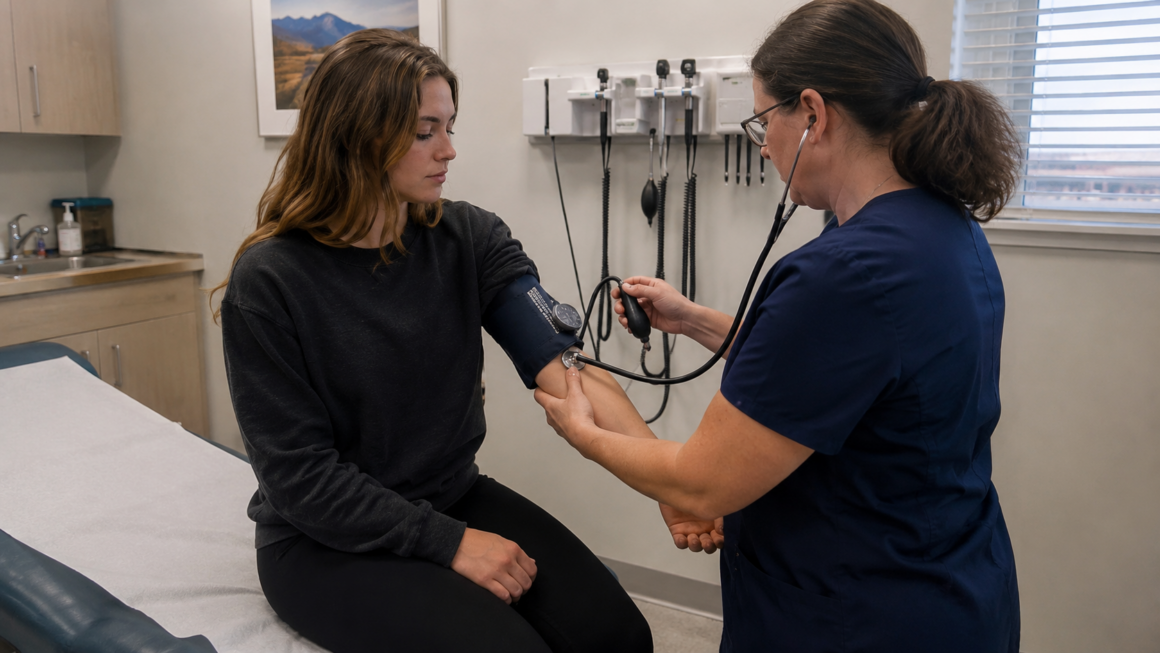
Medical Malpractice Lawyers Serving St. Louis, Columbia, St. Charles, and All of Missouri
You trusted your medical providers with your health, and they failed you. A diagnosis that came too late. A surgical mistake that should never have happened. A medication error that compounded your suffering rather than relieving it. The harm caused by medical negligence can be permanent, and the path to holding healthcare providers accountable is demanding. It requires deep medical knowledge, the right expert witnesses, and attorneys who understand both the science and the law well enough to win.
Strong Law, P.C. has been representing medical malpractice victims in St. Louis and throughout Missouri since 1976. With more than $7 billion recovered and 7 nationally acclaimed trial lawyers, we have the resources, the medical expertise network, and the trial record to pursue medical malpractice claims at the highest level. These are not cases for general personal injury firms. They require specialized knowledge, significant investment, and the genuine willingness to go to trial against hospital systems and their insurers. That is exactly what Strong Law provides.
Call (314) 940-8300 for a free, confidential consultation. No fee unless we win.
FREE CASE REVIEW | (314) 940-8300 | injury@stronglaw.com | No Fee Unless We Win
Why Strong Law, P.C. for Medical Malpractice in St. Louis
Medical malpractice cases are among the most expensive and most aggressively defended in all of personal injury law. Hospital systems and their insurers allocate substantial resources to defeating these claims. The defense brings experienced medical consultants, skilled defense counsel, and the institutional weight of major healthcare systems. To win, plaintiffs need equal or greater resources and genuine trial capability.
OUR CREDENTIALS
- Founded in 1976 with over 45 years of proven results for Missouri injury victims
- $7+ billion in verdicts and settlements recovered
- 7 nationally acclaimed trial lawyers
- 99% positive client review rate
- Named to the Inner Circle of Advocates
- Recognized by Martindale-Hubbell AV Preeminent, Super Lawyers (Top 10 in Missouri), Best Lawyers in America, Lawyer of the Year (Best Lawyers), and US News Best Law Firms
- St. Louis office at 5100 Daggett Ave STE B, serving St. Louis, Columbia, and St. Charles
What Is Medical Malpractice?
Medical malpractice occurs when a healthcare provider, whether a physician, surgeon, nurse, anesthesiologist, hospital, or any other member of the healthcare team, departs from the accepted standard of care in treating a patient, and that departure causes injury or death.
The standard of care is the level of skill, knowledge, and treatment that a competent healthcare professional in the same or similar specialty would have provided under the same or similar circumstances. It is not a standard of perfection. Not every bad outcome is malpractice. But when a provider does something that a reasonably competent professional in their field would not have done, or fails to do something a competent professional would have done, and that failure causes harm, the law provides a remedy.
The critical distinction is between an unfortunate outcome and a negligent one. Some medical procedures carry inherent risks even when performed perfectly. Medical malpractice exists when the harm resulted not from those inherent risks but from a departure from the standard of care that a reasonably skilled provider would have followed.
The Four Elements of a Missouri Medical Malpractice Claim
To prevail in a Missouri medical malpractice case, the plaintiff must establish four elements:
1. Duty of Care
A doctor-patient relationship must have existed. When a healthcare provider agrees to treat a patient, they assume a legal duty to provide care consistent with the applicable standard. This duty exists not only for treating physicians but also for hospitals, nurses, anesthesiologists, radiologists, pathologists, and other members of the care team who have responsibility for aspects of the patient’s treatment.
2. Breach of the Standard of Care
The provider must have departed from the applicable standard of care. This is the element that requires expert medical testimony in nearly every case. A qualified medical expert in the same or a closely related specialty must review the medical records and testify that what the defendant provider did, or failed to do, fell below what a reasonably competent provider in that specialty would have done in similar circumstances.
Breach of the standard of care is typically the most contested element in a medical malpractice case. Defense experts will testify that the care was appropriate. Plaintiff experts will testify that it was not. The quality and credentials of the expert witnesses, and the ability of the attorneys to present their testimony effectively, are often determinative.
3. Causation
The breach of the standard of care must have caused the patient’s injury. This requires showing both that the breach was a cause in fact of the harm (it would not have occurred but for the breach) and that the harm was a reasonably foreseeable consequence of the breach. Causation is frequently complex in medical cases because patients who seek medical care are already ill or injured, which requires careful work to separate the harm caused by the original condition from the additional harm caused by the negligent care.
4. Damages
The patient must have suffered compensable damages as a result of the breach. This includes both economic damages such as additional medical costs, lost earnings, and reduced earning capacity, and non-economic damages such as pain and suffering, loss of enjoyment of life, and loss of consortium.
Missouri Medical Malpractice Law: Critical Rules You Must Know
Missouri has specific procedural and substantive rules that apply to medical malpractice cases and that significantly affect whether a case can be brought and how much can be recovered.
The Health Care Affidavit Requirement: Missouri Section 538.225
This is the single most important procedural requirement in Missouri medical malpractice law, and it catches more potential plaintiffs by surprise than any other rule. Missouri Section 538.225 requires that within 90 days after filing a medical malpractice lawsuit, the plaintiff must file a written affidavit signed by a legally qualified health care provider stating that the defendant failed to use reasonable care and that such failure directly caused or contributed to the injury.
This affidavit must come from a qualified expert in the same or a closely related specialty as the defendant provider. The 90-day deadline is strictly enforced, and failure to comply results in dismissal of the case. There is a limited grace period of an additional 90 days (for a total of 180 days) if the plaintiff certifies that the affidavit cannot be obtained within the initial period, but this extension must be expressly requested.
What this means practically: you cannot effectively pursue a Missouri medical malpractice case without having a qualified medical expert retained and ready to provide the required affidavit from the outset. Strong Law has an established network of medical expert relationships across medical specialties that allows us to meet this requirement efficiently and with qualified, credible experts.
Statute of Limitations: Two Years from Discovery
Missouri medical malpractice claims must generally be filed within two years of when the patient either knew or in the exercise of reasonable diligence should have known of the injury and its causal connection to the medical care. This is called the discovery rule. For minors, the statute of limitations does not begin running until the minor reaches age 18.
An absolute outer limit, called the statute of repose, bars all medical malpractice claims filed more than ten years after the negligent act, regardless of when the injury was discovered. This provision can affect cases involving late-discovered injuries from implanted devices or other delayed-manifestation harms.
Contact Strong Law as soon as you suspect malpractice. The combination of the two-year discovery rule, the 90-day affidavit requirement, and the resources needed to retain qualified experts means there is no margin for delay.
Missouri Damage Caps: What Changed in 2015
Missouri had a $350,000 cap on non-economic damages in medical malpractice cases, but the Missouri Supreme Court struck down that cap as unconstitutional in Watts v. Lester E. Cox Medical Centers in 2012. The Missouri legislature subsequently enacted new damage cap legislation. Missouri’s current law under Section 538.210 caps non-economic damages in medical malpractice cases at $400,000 for non-catastrophic injuries and $700,000 for catastrophic injuries (which include permanent and significant physical impairment or disfigurement, loss of reproductive organs or capabilities, or paraplegia or quadriplegia). These caps apply to non-economic damages only. There is no cap on economic damages in Missouri medical malpractice cases.
The definition of catastrophic injury and the application of these caps are frequently litigated in significant malpractice cases. Strong Law navigates these issues carefully to maximize recovery for every client.
The Affidavit of Merit vs. Medical Expert Requirement
Missouri’s Section 538.225 affidavit requirement is separate from the trial expert testimony requirement. The affidavit gets the case past the pleading stage. At trial, the plaintiff must present the testimony of a qualified medical expert to establish the standard of care, the deviation from it, and causation. Strong Law manages both the pre-suit expert retention and the trial expert development as part of a unified case strategy.
Types of Medical Malpractice Cases We Handle in St. Louis
Surgical Errors
Surgical negligence is among the most common categories of medical malpractice. Wrong-site surgery (operating on the wrong body part or the wrong patient), inadvertent organ perforation or damage, leaving surgical instruments or materials inside the patient, inadequate hemostasis leading to preventable bleeding, and failure to recognize and promptly address surgical complications are all documented surgical errors that constitute malpractice when they depart from the standard of care. St. Louis is home to major academic medical centers and community hospital surgical programs, all of which occasionally produce these errors.
Misdiagnosis and Delayed Diagnosis
Failure to diagnose or delayed diagnosis of serious conditions including cancer, heart attack, stroke, pulmonary embolism, appendicitis, sepsis, and spinal cord compression are a major source of Missouri medical malpractice claims. When a condition that should have been recognized and treated is missed or misidentified, and the delay allows the condition to progress to a point where it causes additional harm or death, the healthcare provider may face malpractice liability. Cancer misdiagnosis, including missed findings on mammograms, CT scans, colonoscopies, and other diagnostic imaging, is a particularly common and serious category.
Medication Errors
Prescribing the wrong medication, prescribing the wrong dose, failing to identify dangerous drug interactions, administering a medication to a patient with a known allergy, and pharmacy dispensing errors are all medication errors that can cause serious harm. The complexity of modern pharmacology and the volume of medications prescribed in hospital and outpatient settings creates substantial opportunity for these errors, and the consequences can be severe.
Anesthesia Errors
Anesthesiology errors including failure to properly evaluate a patient’s pre-anesthesia risk factors, failure to monitor adequately during a procedure, administering an excessive dose, failing to recognize and respond to anesthesia complications, and improper management of the airway during intubation can result in brain damage, cardiac arrest, and death. These are among the most serious and most highly compensated medical malpractice cases in Missouri.
Birth Injuries
Birth injuries to infants and mothers caused by medical negligence during labor and delivery include hypoxic-ischemic encephalopathy (HIE) from oxygen deprivation, brachial plexus injuries from improper delivery technique, injuries caused by the misuse of forceps or vacuum extraction, failure to recognize and respond to fetal distress, delay in performing a necessary cesarean section, and maternal injuries from negligent management of complications. Birth injury cases involving permanent neurological damage to an infant are among the most significant medical malpractice cases in terms of lifetime damages.
Hospital Negligence and Failure to Monitor
Hospitals are independently liable for their own negligence and, in many circumstances, for the negligence of their staff under respondeat superior. Hospital negligence includes failure to maintain adequate nursing staffing ratios, failure to maintain systems for communicating critical test results, failure to implement fall prevention protocols, nursing failures to recognize and escalate deteriorating patient conditions, hospital-acquired infections from inadequate infection control practices, and failures of medical equipment maintenance and oversight.
Emergency Room Errors
Emergency departments operate under high-pressure conditions with high patient volumes and wide variation in acuity. ER malpractice includes failure to triage appropriately, premature discharge of patients with serious unrecognized conditions, failure to order indicated diagnostic testing, and failure to recognize the signs of time-sensitive conditions such as myocardial infarction, stroke, sepsis, and aortic dissection where delays in diagnosis directly cause additional harm.
Failure to Obtain Informed Consent
Physicians have a duty to obtain informed consent from patients before performing procedures or treatment, which requires disclosing the material risks, benefits, and alternatives in terms the patient can understand. When a provider performs a procedure without adequate informed consent and the undisclosed risk materializes, a claim may exist even if the procedure itself was performed without technical error.
How Strong Law Builds a Medical Malpractice Case
Medical malpractice litigation requires a systematic approach that begins the moment a case is retained. Strong Law’s process includes:
- Comprehensive medical record review by our attorneys, followed by retention of qualified medical experts in the relevant specialty to evaluate the standard of care and identify deviations.
- Preparation and timely filing of the Section 538.225 health care affidavit within the required 90-day period.
- Development of the causation theory with medical expert assistance, connecting the specific departure from the standard of care to the specific harm the patient suffered.
- Comprehensive damages documentation, including retention of life care planners for catastrophic injury cases, forensic economists for lost earning capacity analysis, and future medical cost experts.
- Thorough discovery of the defendant’s medical records, policies and procedures, prior incident reports, credentialing files, and any other institutional documentation relevant to the case.
- Deposition of all relevant treating providers, expert witnesses, and hospital representatives.
- Trial preparation from the outset, with the genuine willingness to try the case when the defendant refuses to pay full value.
Compensation Available in a Missouri Medical Malpractice Case
ECONOMIC DAMAGES (NO CAP)
- All past and future medical expenses caused by the malpractice, including additional treatment, surgery, rehabilitation, and long-term care
- Lost wages for time missed from work during recovery
- Loss of future earning capacity if the injuries affect the ability to work long-term
- Life care costs for catastrophic injuries requiring ongoing personal assistance
NON-ECONOMIC DAMAGES (SUBJECT TO MISSOURI CAPS)
- Pain and suffering
- Emotional distress and psychological harm
- Loss of enjoyment of life
- Loss of consortium
- Permanent disfigurement or disability
WRONGFUL DEATH
When medical malpractice is fatal, surviving family members may bring a wrongful death claim under Missouri Section 537.080, seeking funeral expenses, lost financial support, loss of companionship, and grief. The three-year wrongful death statute of limitations applies.
Call (314) 940-8300 or email injury@stronglaw.com for a free case evaluation.
Frequently Asked Questions: Missouri Medical Malpractice
How do I know if what happened to me was malpractice?
The key question is whether your provider departed from the standard of care, not whether you had a bad outcome. Evaluating this requires review of your complete medical records by a qualified medical expert in the relevant specialty. Strong Law conducts this evaluation as part of the initial case review process. If the records support a malpractice claim, we will tell you clearly. If they do not, we will tell you that too.
How long do I have to file a medical malpractice case in Missouri?
Two years from the date you knew or reasonably should have known about the injury and its connection to medical care, with an absolute ten-year outer limit. For minors, the two-year period does not begin until age 18. Because the 90-day affidavit requirement begins running from the date of filing the lawsuit, retaining counsel early is essential to allow adequate time to obtain a qualified medical expert.
Is there a cap on medical malpractice damages in Missouri?
Missouri caps non-economic damages at $400,000 for non-catastrophic injuries and $700,000 for catastrophic injuries (defined to include permanent significant physical impairment, loss of reproductive capacity, and paralysis). There is no cap on economic damages. The distinction between catastrophic and non-catastrophic injuries is frequently litigated in significant cases.
My doctor is highly respected and well-known. Does that make the case harder?
The reputation of the defendant provider does not change the legal standard. If the provider deviated from the standard of care and that deviation caused harm, the case is the same regardless of the provider’s standing in the community. That said, cases against well-known providers at prominent institutions may require particularly thorough preparation and strong expert witnesses, which is exactly what Strong Law assembles.
What does it cost to hire Strong Law for a medical malpractice case?
Nothing upfront. Medical malpractice cases are handled on a contingency fee basis. You pay no attorney’s fees unless and until we recover compensation for you. Your initial consultation is always free.
Serving St. Louis and All of Missouri
- St. Louis City and St. Louis County, including Barnes-Jewish Hospital, Mercy Hospital St. Louis, SSM Health Saint Louis University Hospital, and all major healthcare systems
- Columbia, MO, including University of Missouri Health Care
- St. Charles, MO and the greater St. Louis metropolitan area
Not sure if we handle cases in your area? Call us. Consultations are always free.
Talk to a St. Louis Medical Malpractice Attorney Today
A medical error that changes your health, your abilities, or your life deserves a full accounting. Strong Law, P.C. has the medical knowledge, the expert relationships, and the trial record to pursue these cases effectively against the largest healthcare systems and their well-funded defense teams. We have been winning for Missouri patients since 1976.
$7+ billion recovered. 7 nationally acclaimed trial lawyers. 99% positive reviews. No fee unless we win.
Call Strong Law, P.C. at (314) 940-8300 | injury@stronglaw.com | 5100 Daggett Ave STE B, St. Louis, MO 63110
Strong Law, P.C. | stronglaw.com | Founded 1976 | $7+ Billion Recovered
Tell Us About Your Case
Contact us today at (417) 887-4300 or online to arrange your free case evaluation. Our Experienced Trial Attorneys will walk you through your legal options.