St. Louis, MO Personal Injury
Our Range of Specialized attornies in St. Louis MO are here to Protect Your Rights and Needs
St. Louis Spinal Cord Injury Lawyers
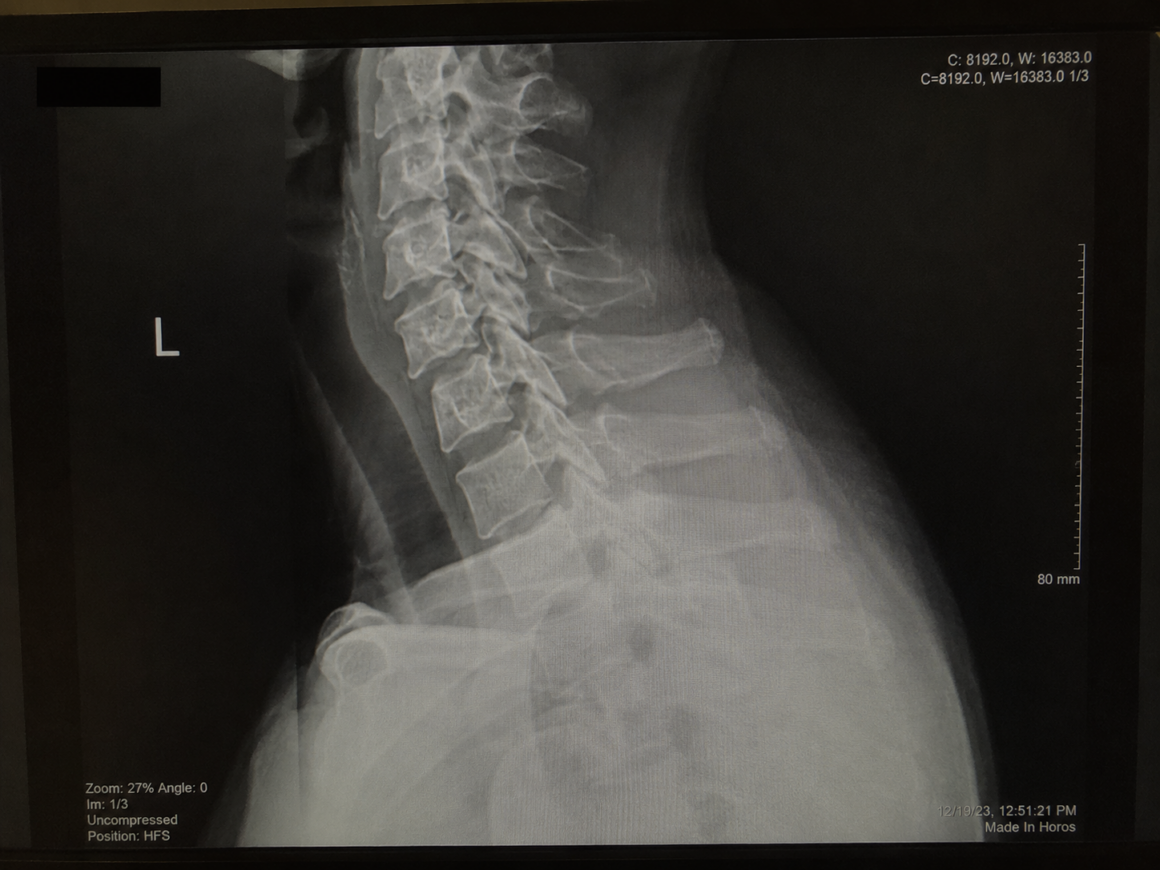
Representing Spinal Cord Injury Victims and Their Families in St. Louis, Columbia, St. Charles, and All of Missouri
A spinal cord injury is a life sentence measured in medical bills, lost independence, and altered futures. The costs of caring for someone with a serious SCI over a lifetime run into the millions of dollars. The emotional toll on victims and families is immeasurable. And when the injury was caused by someone else’s negligence, the person responsible, and their insurer, will do everything in their power to minimize what they pay. Strong Law, P.C. exists to make sure that does not happen.
Our St. Louis spinal cord injury attorneys have been fighting for catastrophically injured Missourians since 1976. With more than $7 billion recovered and 7 nationally acclaimed trial lawyers, we have the resources, the expert network, and the trial record to pursue the full lifetime value of a serious SCI case. Call (314) 940-8300 for a free consultation. No fee unless we win.
FREE CASE REVIEW | (314) 940-8300 | injury@stronglaw.com | No Fee Unless We Win
Why Strong Law for a Spinal Cord Injury Case in St. Louis
Spinal cord injury cases are among the highest-value and most complex cases in personal injury law. The lifetime costs of a severe SCI can exceed $5 million, and accurately documenting those costs requires a team of medical specialists, life care planners, vocational rehabilitation experts, and forensic economists. Winning the full value requires the willingness to go to trial against well-funded defendants.
Strong Law has handled catastrophic injury cases in Missouri for nearly five decades. Our track record reflects what it means to fully commit to cases of this magnitude.
Our Credentials
- Founded in 1976, with over 45 years of proven results for Missouri injury victims
- $7+ billion in verdicts and settlements recovered
- 7 nationally acclaimed trial lawyers
- 99% positive client review rate
- Named to the Inner Circle of Advocates
- Recognized by Martindale-Hubbell AV Preeminent, Super Lawyers (Top 10 in Missouri), Best Lawyers in America, Lawyer of the Year (Best Lawyers), and US News Best Law Firms
- St. Louis office at 5100 Daggett Ave STE B, serving St. Louis, Columbia, and St. Charles
Understanding Spinal Cord Injuries
The spinal cord is the primary communication pathway between the brain and the rest of the body. It carries motor signals that control movement and sensory signals that relay pain, temperature, touch, and proprioception. When the spinal cord is damaged, those signals are interrupted, and the results can include partial or complete loss of motor function, sensation, and autonomic control below the level of the injury.
Unlike many other tissues in the body, the spinal cord has extremely limited capacity for regeneration. Most spinal cord injuries produce permanent deficits, and the medical and personal care needs of SCI survivors extend for the rest of their lives. The legal case must account for every dollar of those future costs, not just the bills accumulated in the acute phase of injury.
Types and Classification of Spinal Cord Injuries
Complete vs. Incomplete Injuries
The most fundamental distinction in SCI classification is between complete and incomplete injuries. A complete injury means that no motor or sensory function is preserved below the neurological level of the injury. An incomplete injury means that some function remains below the injury level, which creates a wider range of outcomes depending on the extent of preserved function. The American Spinal Injury Association (ASIA) Impairment Scale classifies injuries from A (complete) through E (normal function) and is the standard classification system used in medical and legal settings.
Tetraplegia (Quadriplegia)
Tetraplegia results from injuries to the cervical spinal cord at levels C1 through C8. Cervical injuries affect all four limbs and the trunk, as well as respiratory function in high cervical injuries. Complete injuries at C1 to C4 may require permanent mechanical ventilation. Even incomplete cervical injuries typically involve significant impairment of hand and arm function, dramatically affecting independence and the ability to perform everyday tasks.
The lifetime costs of care for a tetraplegic individual are the highest of any SCI category. A 25-year-old with a complete C4 injury faces estimated lifetime care costs of well over $5 million. These numbers must drive the legal case from the outset.
Paraplegia
Paraplegia results from injuries to the thoracic (T1-T12), lumbar (L1-L5), or sacral spinal cord. Thoracic injuries affect the trunk and legs. Lumbar and sacral injuries affect the lower extremities and bladder, bowel, and sexual function to varying degrees. Paraplegic individuals typically retain full function of their arms and hands, allowing for greater independence than tetraplegia, but require wheelchairs for mobility and face significant ongoing medical and personal care needs.
Central Cord Syndrome
Central cord syndrome is the most common incomplete SCI syndrome and typically occurs in older patients following hyperextension injuries in motor vehicle accidents or falls. It produces greater weakness in the arms than the legs and is often associated with variable sensory loss and bladder dysfunction. It is particularly important in the context of rear-end and rollover car crashes in the St. Louis area.
Brown-Sequard Syndrome
Brown-Sequard syndrome results from injury to one side of the spinal cord, producing ipsilateral (same-side) motor weakness and loss of proprioception combined with contralateral (opposite-side) loss of pain and temperature sensation. It is most commonly caused by penetrating injuries but can result from tumors or ischemia as well.
Cauda Equina Syndrome
The cauda equina is the bundle of nerve roots below the end of the spinal cord. Injuries to this region produce a distinctive pattern of lower limb weakness, saddle anesthesia (loss of sensation in the perineal region), and bladder and bowel dysfunction. Cauda equina injuries can occur from trauma but are also a recognized complication of lumbar disc herniation and are sometimes the basis for medical malpractice claims when surgical intervention is delayed.
Conus Medullaris Syndrome
The conus medullaris is the terminal portion of the spinal cord, located around L1. Injuries here produce a mixed picture of upper and lower motor neuron signs and often cause significant bladder, bowel, and sexual dysfunction, sometimes with relative preservation of lower limb function.
Common Causes of Spinal Cord Injuries in St. Louis
Spinal cord injuries in the St. Louis area most commonly result from:
- Motor vehicle accidents, which account for the largest share of traumatic SCIs nationally. High-speed crashes on I-70, I-64, I-55, and I-270 through the St. Louis metro area produce a significant number of serious spinal injuries annually. Rear-end impacts, rollovers, and side-impact crashes are all documented SCI mechanisms. Truck accidents are particularly dangerous because the forces involved far exceed those of standard car crashes.
- Falls, which are the second leading cause of SCI in the United States and become increasingly common with age. Construction site falls in St. Louis’s active development market, slip and fall incidents on commercial premises, and falls from ladders and scaffolding all produce cervical and thoracic injuries.
- Violence, including gunshot wounds, which is a documented SCI cause in the St. Louis area. These cases may give rise to civil claims against perpetrators and, in some circumstances, against negligent property owners who failed to provide adequate security.
- Sports and recreational accidents, including diving accidents in pools and waterways, which produce cervical SCIs at a disproportionate rate.
- Construction and workplace accidents, including falls from heights, being struck by heavy equipment, and cave-in events on excavation sites throughout the St. Louis metro area.
- Medical malpractice, including delayed diagnosis of spinal cord compression, surgical errors during spinal procedures, and failure to properly immobilize a patient with a suspected SCI during transport.
- Defective products, including vehicle safety system failures where seatback collapse, rollover protection failures, or defective seatbelts allow the spine to sustain forces that adequate systems would have limited.
The Full Medical and Financial Impact of a Spinal Cord Injury
One of the most important things a spinal cord injury attorney does is ensure that the full lifetime cost of the injury is documented and pursued. Insurance companies and defense teams routinely try to limit damages to acute treatment costs. The reality is vastly different.
Acute and Surgical Care
The initial hospitalization for a serious SCI typically involves neurosurgical stabilization, often including spinal fusion and instrumentation, followed by ICU-level monitoring. Acute care alone can reach hundreds of thousands of dollars.
Inpatient Rehabilitation
Following stabilization, SCI survivors typically spend weeks to months at inpatient rehabilitation facilities learning to manage their injury and maximize their functional independence. Missouri has specialized SCI rehabilitation programs, and the cost of this intensive care is substantial.
Long-Term Medical Care
SCI survivors face a lifetime of elevated medical needs, including regular monitoring for secondary complications such as pressure ulcers, urinary tract infections, autonomic dysreflexia, spasticity, chronic pain, and respiratory complications. Periodic hospitalizations for secondary complications are expected and must be projected forward into the damages calculation.
Personal Assistance and Home Care
Tetraplegic individuals and many paraplegic individuals require personal care assistance for activities of daily living. The cost of this care, whether from hired attendants or family members who forgo employment to provide it, is one of the largest components of lifetime SCI costs. A full life care plan prepared by a qualified life care planner is essential to documenting these needs credibly.
Adaptive Equipment and Home Modification
Power wheelchairs, hand-controlled vehicles, accessible home modifications including ramps, widened doorways, roll-in showers, and lift equipment, and other adaptive technology represent significant one-time and recurring costs that must be included in the damages analysis.
Lost Earning Capacity
For many SCI survivors, particularly those with tetraplegia, the ability to return to prior employment is eliminated or severely compromised. The lifetime earnings lost as a result can be the largest single component of economic damages. Forensic economists and vocational rehabilitation experts are essential to calculating and presenting this component persuasively.
Non-Economic Losses
Pain and suffering, loss of enjoyment of life, permanent disability, loss of consortium, and the profound psychological impact of living with paralysis are all compensable in Missouri. These damages are real, substantial, and must be presented with equal force as the economic components.
Who Can Be Held Liable for a Spinal Cord Injury in Missouri?
Liability in an SCI case depends on how the injury occurred. Depending on the facts, responsible parties may include:
- A negligent driver, in motor vehicle accident cases on St. Louis area roads and highways
- A trucking company, for their driver’s negligence or their own failures in hiring, supervision, or vehicle maintenance
- A property owner, in fall cases where dangerous premises conditions caused the injury
- A general contractor or subcontractor, in construction accident cases involving falls from heights or caught-in incidents on job sites
- A product manufacturer, in cases where a defective vehicle safety system, seatback, or piece of equipment contributed to the spinal injury
- A healthcare provider, in medical malpractice cases involving surgical errors, delayed diagnosis of spinal compression, or improper patient handling
- A venue or property owner, in cases where negligent security allowed a violent assault to occur
- A government entity, in cases where dangerous road conditions, defective guardrails, or inadequate road design contributed to the accident
The Legal Process: What to Expect in a Spinal Cord Injury Case
Spinal cord injury cases differ from standard personal injury cases in several important ways that affect how they are handled and how long they take.
Medical Stabilization Must Come First
A serious SCI case cannot be fully valued until the victim has achieved neurological stability and a clear prognosis has been established. Settling before this point risks severely undervaluing the case. Strong Law advises clients to allow the medical picture to stabilize before making any settlement demand, and we handle the legal work throughout that period so clients can focus on recovery.
Expert Infrastructure
Winning full value in an SCI case requires assembling a team of medical, rehabilitation, and economic experts. Strong Law works with physiatrists and neurologists who can document the neurological level and completeness of injury, life care planners who develop comprehensive future care plans, vocational rehabilitation experts who assess career impact, and forensic economists who translate future costs into defensible present-value calculations.
Discovery and Evidence Preservation
In vehicle accident cases, electronic data from the vehicles, including event data recorder information, must be preserved immediately. In construction cases, the site conditions at the time of the accident must be documented before they change. In product defect cases, the defective product itself must be secured and examined by experts. Strong Law acts on evidence preservation from the moment a case is retained.
Negotiation vs. Trial
Most SCI cases settle before trial, but only because the defendant’s insurer understands that the plaintiff’s attorney is genuinely prepared to try the case. Strong Law’s preparation from day one, including retained experts, documented damages, and built-out liability evidence, is what creates the negotiating leverage that produces full-value settlements. If a defendant refuses to pay fairly, Strong Law is ready for trial.
Compensation Available in a Missouri Spinal Cord Injury Case
Economic Damages
- All past medical expenses, from emergency transport through surgery, ICU, and inpatient rehabilitation
- Future medical costs over the victim’s lifetime, including specialist care, hospitalizations, and management of secondary complications
- Life care costs for personal assistance, home modifications, and adaptive equipment over the victim’s lifetime
- Lost wages for time missed during acute recovery and rehabilitation
- Loss of future earning capacity, reflecting the victim’s reduced ability to work due to the SCI
Non-Economic Damages
- Pain and suffering, including both neuropathic pain and the psychological burden of permanent disability
- Loss of enjoyment of life and permanent disability
- Loss of consortium, reflecting the impact on the victim’s marriage and family relationships
- Emotional distress and psychological harm
Punitive Damages
When the SCI resulted from especially reckless or egregious conduct, such as a drunk driver, a trucking company that knowingly violated safety regulations, or a manufacturer that concealed a known defect, punitive damages may be available.
Wrongful Death
When a spinal cord injury is fatal, surviving family members may pursue wrongful death claims for funeral expenses, lost financial support, loss of companionship, and grief.
Call (314) 940-8300 or email injury@stronglaw.com for a free case evaluation.
Frequently Asked Questions: Spinal Cord Injury Cases in Missouri
How much is a spinal cord injury case worth?
The value of an SCI case depends on the level and completeness of the injury, the victim’s age, their pre-injury occupation and earning capacity, and the available insurance coverage. Cases involving complete tetraplegia in younger, working-age adults can have lifetime cost projections exceeding $10 million. Even incomplete or lower-level injuries produce lifetime costs that dwarf standard personal injury cases. The only accurate way to understand the value of a specific case is through a comprehensive evaluation with Strong Law’s attorneys and expert team.
The insurance company has offered a settlement. Should I accept?
Not before a thorough evaluation by experienced SCI attorneys and a qualified life care planner. Early settlement offers in SCI cases, particularly those made before neurological stability has been established, are almost always structured to resolve the claim for far less than its true lifetime value. Once you sign a release, you cannot return for more, regardless of how the injury evolves or how the costs accumulate. Contact Strong Law before making any decision.
What if workers’ compensation is involved?
Workers’ compensation covers SCI medical expenses and disability benefits for workplace injuries but is limited in what it pays and does not compensate for pain and suffering. Critically, it does not bar personal injury claims against third parties who are not the direct employer. On construction sites, in particular, general contractors, equipment manufacturers, and other subcontractors may bear liability in addition to the employer’s workers’ compensation obligation. Strong Law evaluates all available claims for every workplace SCI case.
What is the deadline to file an SCI case in Missouri?
Missouri’s standard five-year statute of limitations applies to most SCI personal injury cases. Wrongful death claims have a three-year deadline. Claims involving government entities may have notice requirements as short as 90 days. Do not rely on the outer limits of these deadlines. Early action by your attorney is essential to preserving evidence, retaining experts, and building the strongest possible case.
What does it cost to hire Strong Law?
Nothing upfront. All spinal cord injury cases are handled on a contingency fee basis. You pay no attorney’s fees unless and until we recover compensation for you. Your consultation is always free.
Serving St. Louis and All of Missouri
- St. Louis City and St. Louis County
- Columbia, MO
- St. Charles, MO
- Clayton, Chesterfield, and the greater St. Louis metropolitan area
Not sure if we serve your area? Call us. Consultations are always free.
Talk to a St. Louis Spinal Cord Injury Attorney Today
A spinal cord injury reshapes every aspect of a person’s life and their family’s life. The financial consequences alone can be catastrophic without a full recovery from every party responsible. Strong Law, P.C. has been fighting for Missouri’s most seriously injured victims for nearly 50 years. We know how to build these cases and we know how to win them.
$7+ billion recovered. 7 nationally acclaimed trial lawyers. 99% positive reviews. No fee unless we win.
Call Strong Law, P.C. at (314) 940-8300 | injury@stronglaw.com | 5100 Daggett Ave STE B, St. Louis, MO 63110
Strong Law, P.C. | stronglaw.com | Founded 1976 | $7+ Billion Recovered
Tell Us About Your Case
Contact us today at (417) 887-4300 or online to arrange your free case evaluation. Our Experienced Trial Attorneys will walk you through your legal options.